Why Doesn’t my Cat Purr anymore?


When a little ball of fur climbs up to your lap, curls itself asking for some attention and your mind fills up with joy, then you know you are the ultimate cat lover. A cat purring away contentedly in the lap is every cat lover’s ultimate bliss. Even though cats' behavior is extremely unpredictable, the purr shows how contented our furry friend is, among other reasons why cats purr. But most people don’t know that sometimes cat may stop purring and when this happens the owner usually freaks out. If you want to know the reason behind the lack of purrs then keep reading this OneHowTo article to find out the answer to your question: why doesn’t my cat purr anymore?
Different types of Purr
For most people, a purring cat seems carefree and contented. However, that is not always the case. Different purrs can signify different feelings or states of the cat.
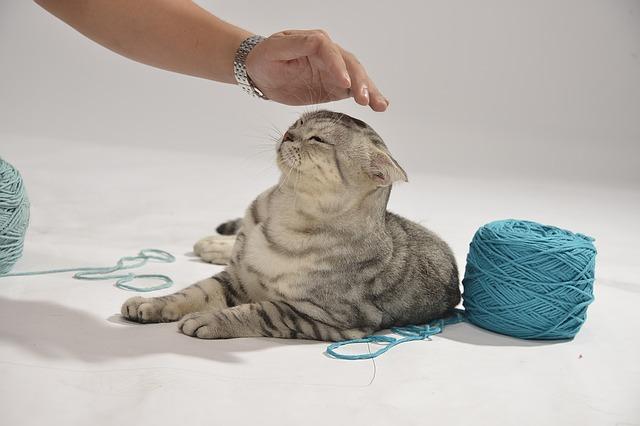
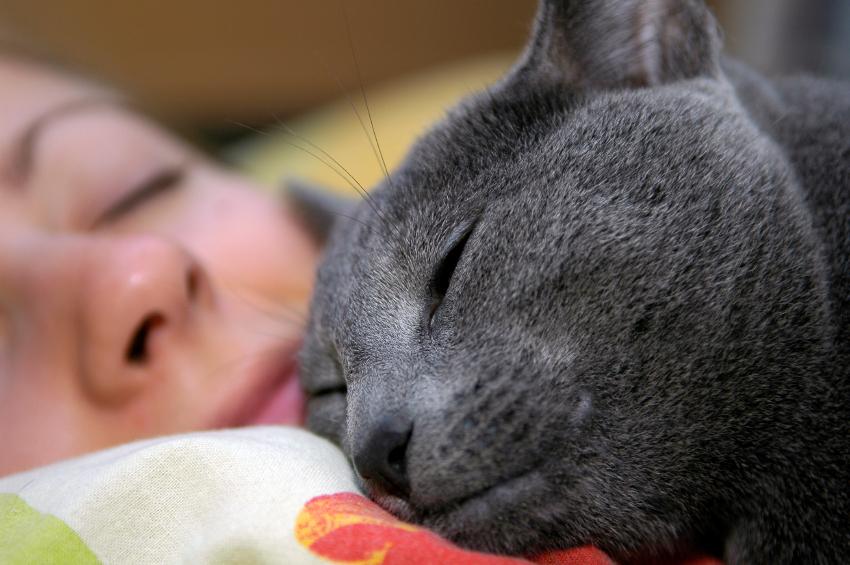
- The contented purr: A cat sitting on a lap with eyes closed, purring away to its heart’s content is the classic sign of a contented purr.
- Affectionate purr: If your cat suddenly approaches you and nuzzles, nibbles, or rolls over you while purring, then it’s a sign of affection.
- Passive Purr: When a cat goes through a serious accident, injury, or trauma, it purrs to signify passiveness. Usually, it tries to communicate: please don’t hurt me anymore.
- Healing Purr: Interestingly, purring can also be a self-soothing mechanism. Cats often purr when they are in pain as a form of self-healing; the vibrations can help to reduce pain and inflammation.

Why might a cat not purr?
The absence of your feline's affectionate purr can be attributed to several potential causes:
Laryngitis
If the cat has stopped purring and is not willing to eat, it might be suffering from this ailment. Due to laryngitis, swallowing food and making sounds like purring becomes quite difficult. It is best to seek a vet’s opinion to confirm whether your cat is suffering from laryngitis or not.
Nervousness
A cat often stops purring when it is nervous. Cats can become nervous when they are introduced to a new environment. For example, when a foreign object such as a new piece of furniture or another pet is brought into their familiar surroundings, a cat may become anxious and stop purring. Ensuring a stable environment can often alleviate this anxiety.
Age
Some cats are purring machines when they are kittens. But as they grow older, their purring starts decreasing and sometimes even stops. This is just a natural progression for some cats, reflecting their changing emotional states and energy levels.
Injury
Sometimes cats stop purring when they are injured. If you can’t find any visible signs of injury on your cat, it is advisable to visit the vet to ensure there are no underlying issues.
Scared
A scared cat becomes stiff and may start shaking. It can sometimes run away from its owners when frightened. Additionally, a scared cat stops purring. If your cat is scared due to some reason, try approaching him/her carefully and offer treats and toys. Cuddle it as much as you can, and it will soon return to its usual purring self. Creating a calm and reassuring environment is key.
If you want to read similar articles to Why Doesn’t my Cat Purr anymore?, we recommend you visit our Pets category.
- Why Do Cats Purr? 5 Reasons Behind the Secret Feline Language (American Animal Hospital Association)
- Why Do Cats Purr? NC State University College of Veterinary Medicine Behavior Expert Explains (North Carolina State University College of Veterinary Medicine)
- Feline vocal communication (Journal of Veterinary Science)