How to Care for and Raise a Baby Sparrow


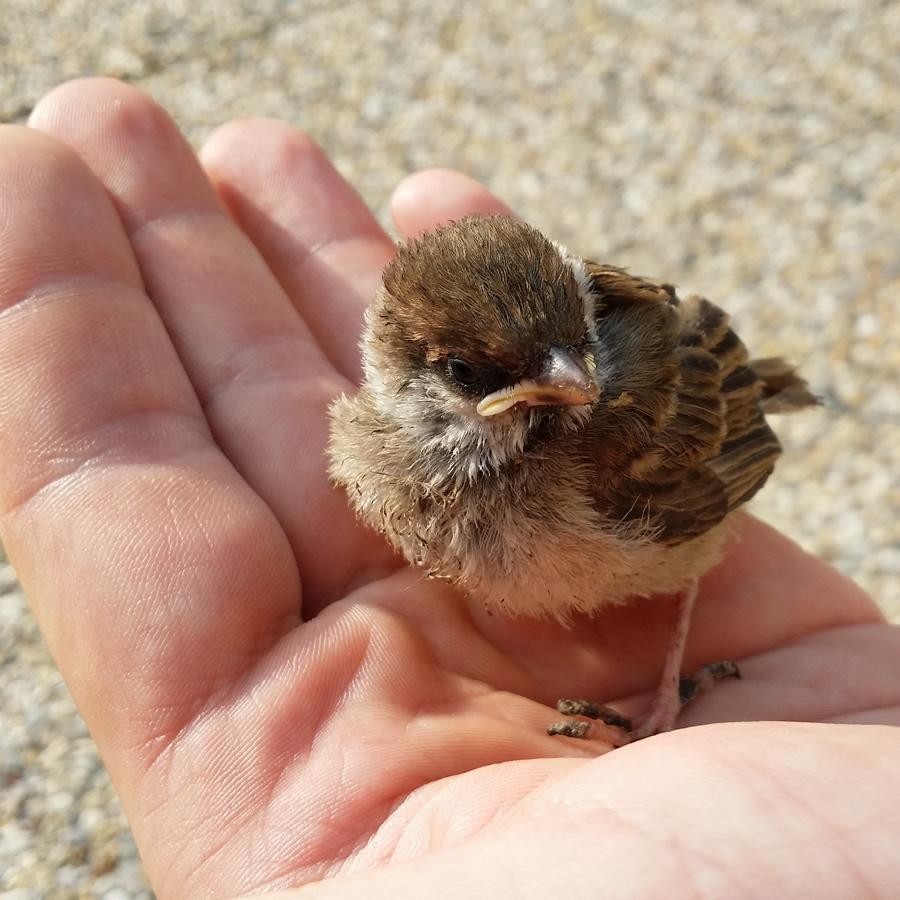
The sparrow is a small bird native to Eurasia and North Africa. Currently distributed throughout the world, this little brown bird with black and red markings is no larger than 16cm in length and can easily be raised following a few simple steps. If you're raising one or have questions about how to care for a baby sparrow, read this OneHowTo article for all the information about how to feed, raise and care for a baby sparrow that has fallen out of its nest.
Steps to follow:
First and foremost, ensure the sparrow is healthy and safe.
If you've found it on the ground, check that it is not near its nest. Sparrows protect their young and they live together as they grow. So if you see one out of the nest and the bird has not yet developed feathers, it may have fallen from a gust of wind. If this is the case, you should always return the baby sparrow to its nest. If you can't put it back, you can take it to care for it yourself. Additionally, ensure that the bird does not have any visible injuries, as this might require immediate attention from a professional.
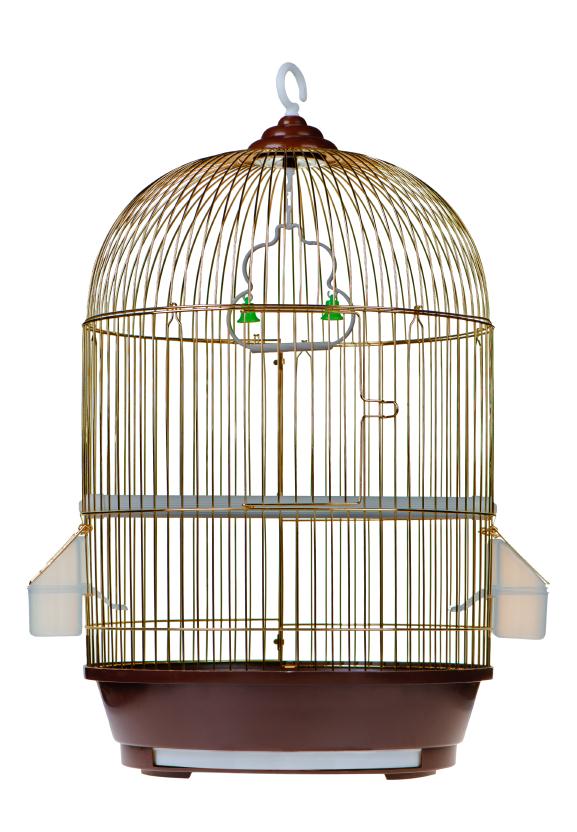
To care for a baby sparrow, you will first need a nest or box to use to shelter it. Another option is to use a cage, but always keep it open. The baby sparrow will associate this with a safe place and will accept it as its home. If the cage always has food and water in it, the sparrow will flit around the house and return to its cage to be safe and warm. It is crucial that the cage is placed in a secure location away from potential predators like cats or dogs.

To keep it comfortable, make a bed/nest for it. This can be made of cotton, a soft cloth, an old sock or feathers, but check that there are no insects in the material. Make sure the baby bird is warm because they need a lot of heat. This bed should always be kept clean. Regular cleaning and changing of the nest materials can help prevent infections and keep the sparrow healthy.
Keep the cage in a ventilated place with indirect sunlight. The bird should not be exposed to direct sunlight for long periods. However, don't completely eliminate sunlight, because baby sparrows need sunlight to color their wings. In this regard, placing the cage near a window with filtered light can provide the necessary exposure without the risk of overheating the bird.
If you took the baby sparrow from the street, it could be dehydrated from spending hours outside the nest. Baby sparrows are usually fed an insect diet; therefore, you can opt to give them dry cat or dog food dipped in water. This is because when it comes to baby sparrows, moisture is generally received through their food. Therefore, moistening its food but not giving it water directly is key.
It's very important not to give milk to sparrows because it's bad for them and they may die from it. They receive calcium from their food (crushed insects, cuttlefish or sterilized egg shells). Including a calcium supplement in their diet can also be beneficial for their bone development.
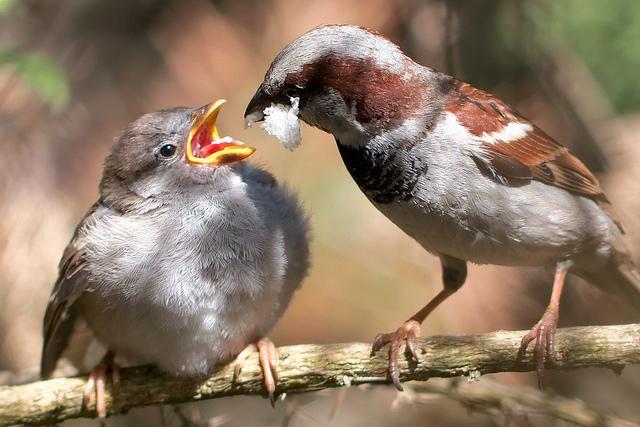
In the first few weeks, feed the baby sparrow using a needle-less syringe. Hold this near the baby's beak and it will eat from it. They eat every 2 to 3 hours. If you notice it's hungry, you can also feed it.
You can make their food easily. Make some porridge and put it in the syringe. Feed it the porridge by letting the liquid drip out so the sparrow eats of its own accord without you putting it in its mouth. Additionally, ensure the porridge is at room temperature to prevent thermal shock.
For starters, you can make these three porridges, they're very easy:
- Soak half a biscuit with water, until the biscuit turns into a mush.
- You can soften ground dog food soaked with water to create a paste. This porridge is very filling.
- You can buy baby bird food. This is sold in pet shops. This contains eggs and is made by soaking them with water to create the mush.

When you feed the bird, make sure not to get the porridge or paste on them, as this can dry and stick to its feathers. Also check that the beak nostrils are not obstructed, since this could trigger a major problem. Regularly clean the area around the beak to prevent any buildup of food that might cause health issues.
As it grows, the sparrow should start feeding alone and you can use a container for it to peck at its food directly. Monitoring its transition to self-feeding is important to ensure it is consuming enough food. Also, keep an eye on its weight and overall health as an indicator of successful feeding.
If you want the sparrow to be as healthy as possible, it's best for you to provide it with several containers. One with water and one with fine sand. This way the sparrow will use the sand as a bathroom and the water to clean itself. Providing fresh water daily is essential for maintaining its hygiene and health.
Remember that if you have questions you should talk to a specialist or a vet for help. They can provide tailored advice and support for your specific situation.
If you found this article useful or have something to add, why not let us know in the comments below?
Check out more bird-related articles here.
If you want to read similar articles to How to Care for and Raise a Baby Sparrow, we recommend you visit our Pets category.
Tips
- While they are young, their temperatures should be checked from time to time (between 40F and 43F is a good temperature). Monitoring their temperature can help prevent hypothermia or overheating, both of which can be dangerous.
- Keep them clean and warm. Regularly clean the cage and replace bedding to maintain a hygienic environment.