What are the Most Dangerous Animals in India?


India is a land of diversities, and it houses a vast variety of animal species, ranging from cows and snakes to Bengal tigers and elephants. Indians worship many animals. While some animals are useful, others are a real threat to the country and its inhabitants. Here at OneHowTo.Com, we are going to talk about some of the most dangerous animals in India.
Snakes
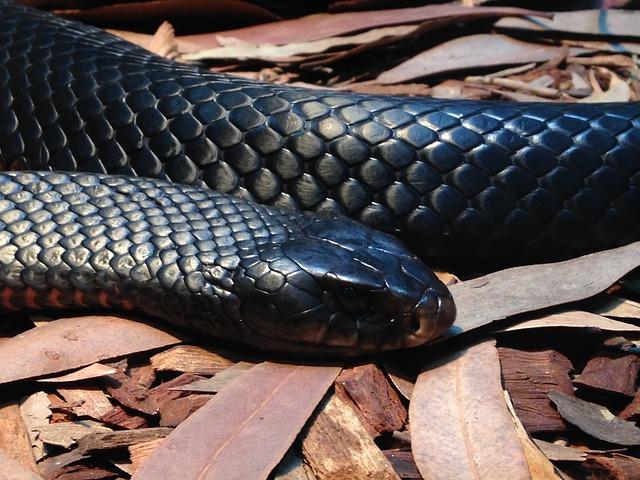
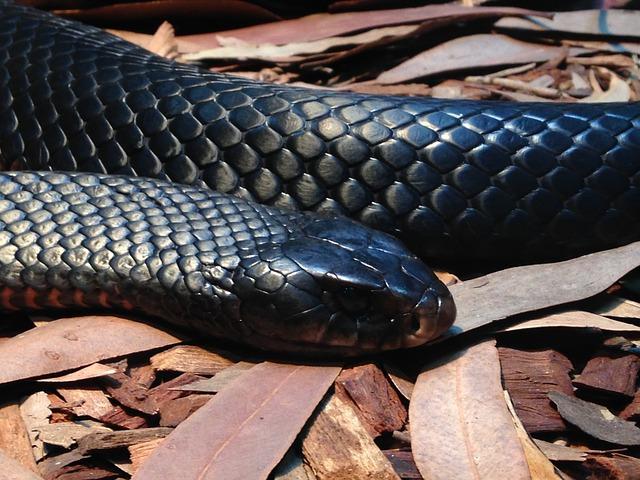
Snakes are undoubtedly one of the deadliest animals on Earth, and India is home to some of the most venomous species on the planet, such as the krait. According to an estimate, around 50,000 deaths take place every year in India due to snake bites. In addition to the krait, the Indian cobra and Russell's viper also contribute significantly to this alarming statistic.

Royal Bengal Tiger
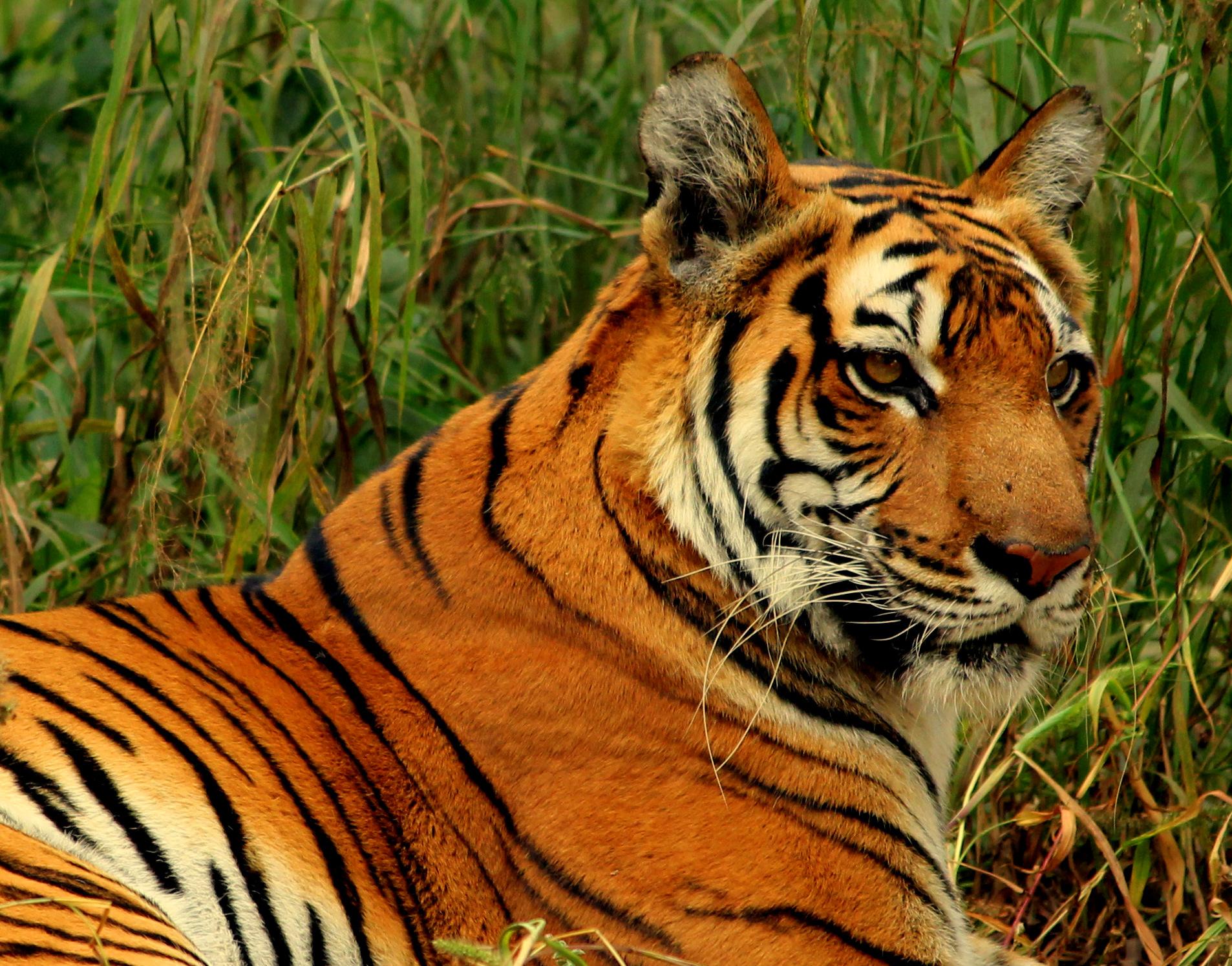
Although humans are not so easily accessible to tigers, tigers kill around 1000 people in India every year. The Bengal tigers found in the Sundarbans of India are considered to be man-eaters, and most of them are injured and old. It should be noted that conservation efforts are crucial for these majestic creatures, as they play a vital role in maintaining the ecological balance.

Bears
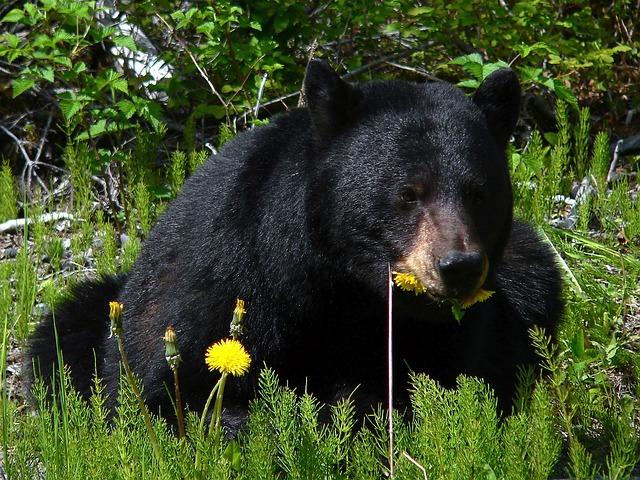
Both black and brown bears are found in the Himalayan region of India. Black ones are very aggressive, and are known to attack for no apparent reason. The number of attacks by black bears is greater than those by brown bears. In this regard, tourists are often advised to stay vigilant and maintain a safe distance from these unpredictable animals.

Leopards
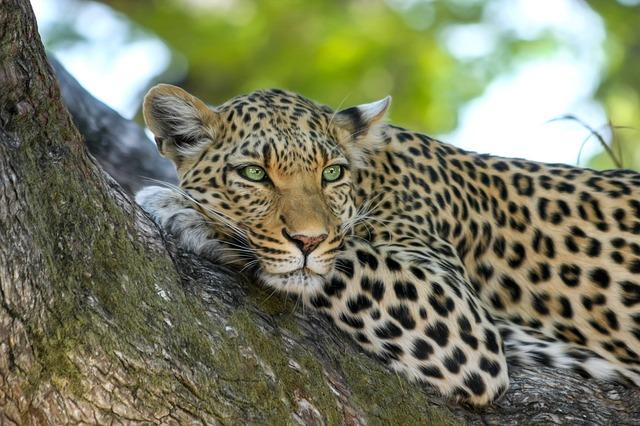
This big cat is found in almost all parts of India, and is often seen in the village fields, searching for prey. Due to shortage of prey, depleting forest area, and shrinking habitats for leopards, the number of attacks has significantly increased in the country over the last few years. There are many instances in which a leopard has attacked Indian villagers, and the people kill the beast in return. Moreover, leopards' adaptability to various environments sometimes brings them into urban areas, increasing the potential for human-wildlife conflict.
Due to killing and poaching of leopards for their skin, Indian leopards now have a vulnerable status, meaning that they are decreasing in numbers and are vulnerable to becoming extinct.

Elephants
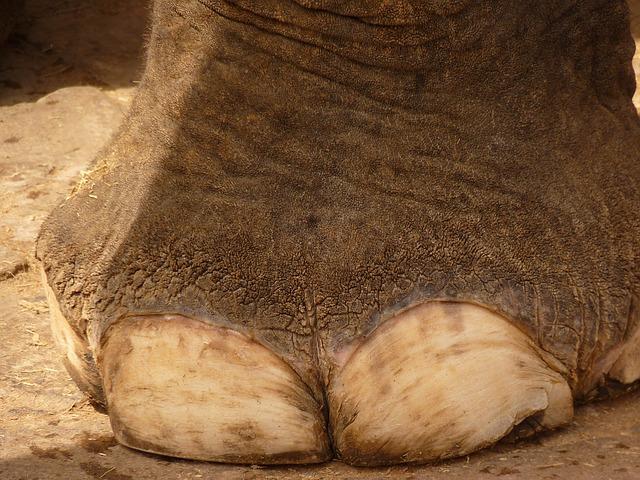
Despite their huge size and slow movements, Indian elephants can attack with excessive aggression. Many wild elephants enter the villages every year in search for food, and destroy everything in their path. Wild elephants are a serious problem in India, as they continue destroying homes and killing people on a regular basis. Similarly, conservation strategies are essential to ensure the safety of both elephants and humans, as habitat loss is a driving factor for these dangerous encounters.

Scorpions
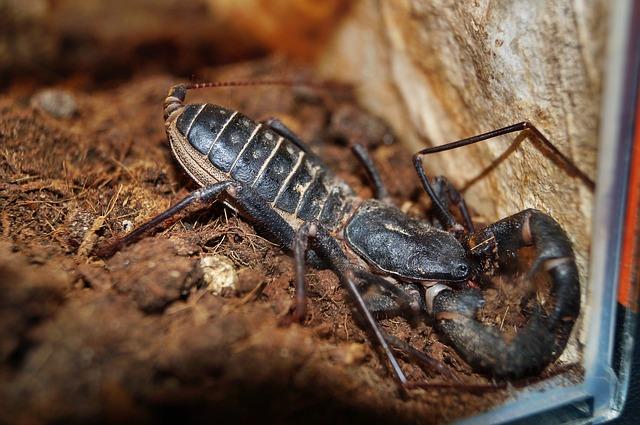
India houses more than 85 species of scorpions, out of which around 50 are extremely dangerous to humans. The Giant Black Scorpion is dangerous to the point of being fatal to humans. Common red scorpions kill around 80 people in India every year. In addition, their small size and nocturnal nature make them particularly difficult to avoid, especially in rural areas.

Crocodiles
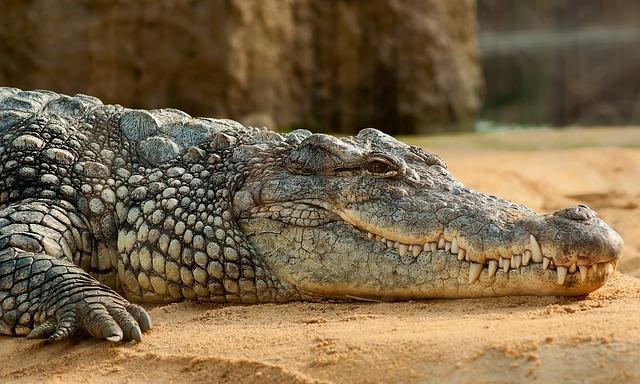
Crocodiles are commonly found in Indian lakes and rivers, and are ill-famed for their fatal attacks on humans. Mugger crocodiles in Kerala and the Andaman Islands have recently taken so many lives in the country. Furthermore, as these reptiles often inhabit areas close to human settlements, they pose a constant threat to those living nearby. Awareness and preventive measures are key to reducing the number of crocodile-related incidents.

So, the next time you visit India, beware of these animals, especially if you are planning to travel to the rural parts of the country. However, if you exercise caution, these can be a real treat to watch from a distance. Just remember to be careful! Additionally, understanding their behavior and potential habitats can greatly enhance your safety and appreciation of India's rich wildlife.
If you want to read similar articles to What are the Most Dangerous Animals in India?, we recommend you visit our The Animal Kingdom category.