How To Know The Age Of A Cat


It is very important to know the age of your cat to provide your feline friend with the care it needs. Often the date of birth of a pet is not known because it has not been with us since birth. If you do not know when the cat was born, you must approximately calculate the cat's age through certain observations. Even the best cat experts may get it wrong, so it is quite complex to determine a cat's age. In this fascinating article, we explain on OneHowTo.com how to know the age of a cat.
Steps to follow:
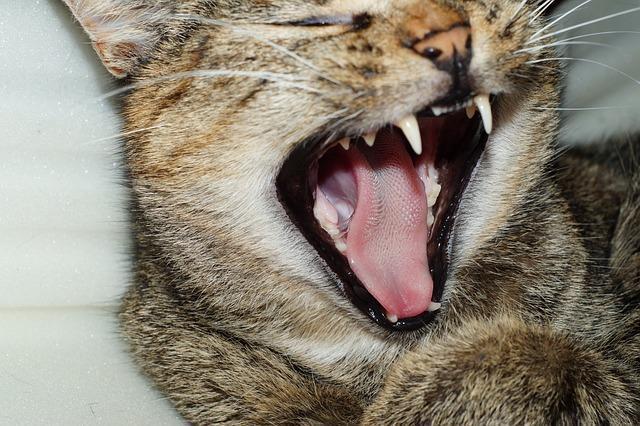
The best way to tell the age of a cat is by looking at the cat's teeth. This is considered the most reliable method for estimating a cat's age. To examine the teeth, you need to gently lift up the cat's lips.
Young cats have 26 temporary teeth which are similar to milk teeth in humans. They will have 14 teeth in the upper jaw and 12 below. At birth, cats are born without visible teeth, which start appearing within two weeks but can take up to four weeks to fully emerge.

Between two and four weeks, the first incisors appear and continue to grow until they are clearly visible. Following this, around three weeks, the canines begin to emerge. During the first month and a half of a kitten's life, the premolars in the lower jaw will also come out. Just before the kitten reaches two months of age, it may have already grown all 26 teeth in full. These temporary or milk teeth are eventually replaced by permanent teeth. Within three to four months, the permanent incisors will appear, and the process is repeated. By six months, your cat will have its set of adult teeth.
It should be noted that while teeth provide a good estimate of age, factors like diet and dental care can influence their condition.
From this point on, calculating the age of your cat becomes a bit more complex, and you must pay attention to the condition of the teeth. Normally, a cat older than one year will have white, healthy, and clean teeth. Up to two years of age, the cat's teeth may start to look more opaque and yellowish with some tartar, especially on the rear teeth. Between three and five years of age, the tartar will have spread more and some wear will be observed. After five to ten years, your cat is considered an adult, with teeth showing further deterioration and gums changing color. Beyond ten years, your cat has reached old age. The teeth will be very worn and heavily scaled, and the cat may have lost some teeth.
In this regard, regular dental check-ups can help maintain a cat's dental health and provide further insights into its age.

Although the growth and wear of teeth is a great help to know the cat's age, it will never be an exact calculation because there are many variables affecting the state of the cat's teeth. Lifestyle, food, hygiene, health, and even the cat's nature affect its oral health. For instance, if your cat has lived a wild life, it is normal for the teeth to present more wear than a cat that has always been indoors. The life your cat leads is essential to estimate the age, and you must take this into account when you observe your cat's teeth.
Similarly, consulting with a veterinarian can provide additional insights based on overall health and living conditions.
Another way to estimate the age of your cat is by examining the eyes. When they are newborns, the kittens' eyes are closed, and week by week the eyelids begin to open more frequently. Roughly two weeks or sooner, kittens fully open their eyes but do not dilate their pupils. At six weeks, you will notice one of the most significant changes: the color of the eyes changes from blue to their final color. The iris of a young cat is smooth, but as the cat grows, it becomes more irregular. If your cat has clouding of the lens, they may have cataracts, indicating that your pet may be reaching old age and is likely over 10 years old.
The hair on your cat can also give you a rough idea of its age. A very young cat has short and thick fur. As it grows older, the coat becomes thinner and softer until the cat gets old, and then its fur becomes dense, thick, and grey in certain areas.
In terms of fur, changes may also indicate other health conditions, so it's beneficial to monitor these changes over time.

One way to determine how old your pet is, is to observe and feel the cat's muscles. Gently caress your cat to assess how thin or muscular it is. Typically, older cats have saggy skin and protruding shoulder blades. When a cat is young, it is usually more toned and fit.
Finally, we recommend you observe the cat's habits. Generally, young cats are more playful and more inclined towards physical activity. An adult cat is more likely to spend the day sleeping and pay less attention to toys. While this is not a clear indication of a cat's age, it can give you a hint of the cat's life stage.
It's essential to recognize that behavioral changes can also result from health issues, so regular veterinary check-ups are advised.

If you want to read similar articles to How To Know The Age Of A Cat, we recommend you visit our Pets category.