How to Care for a Spanish Mastiff


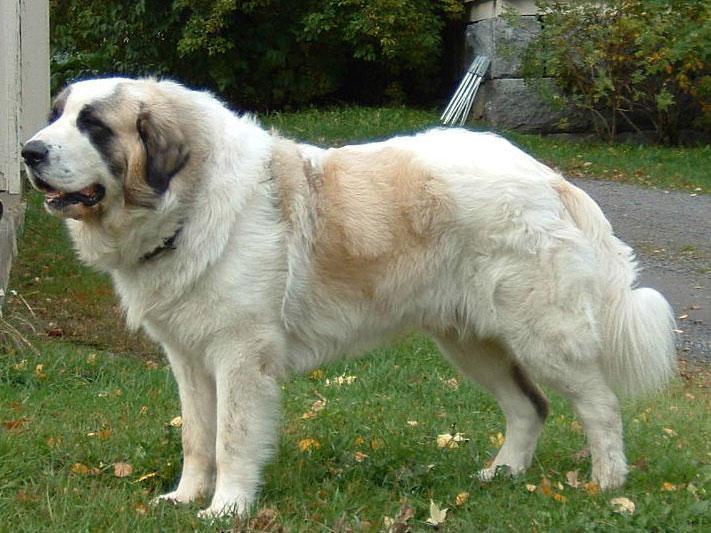
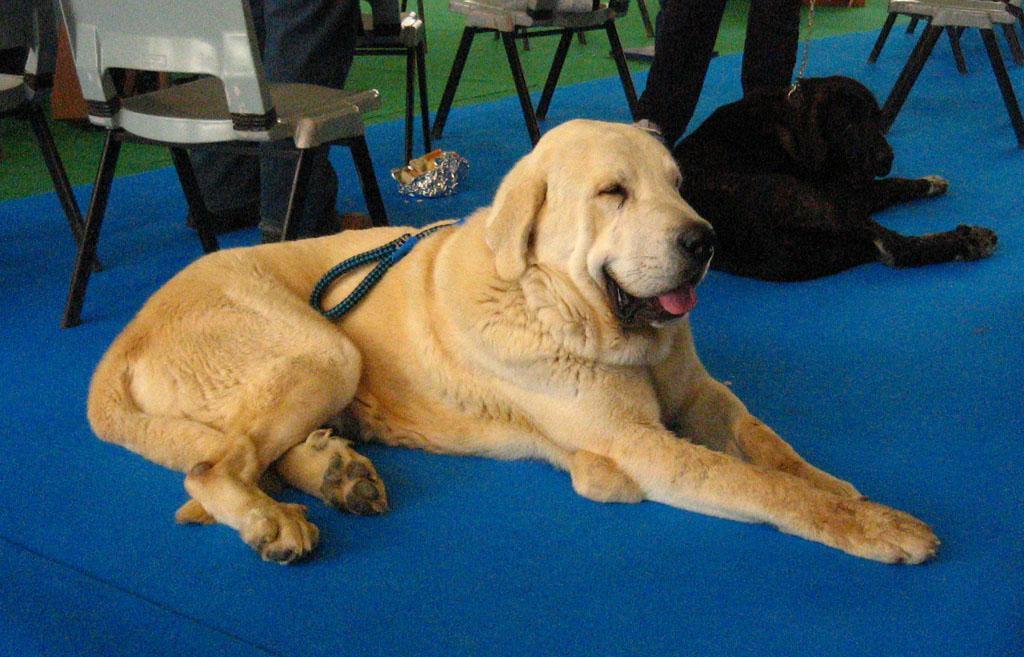
Do you have a Spanish Mastiff and want to learn how to care for it? These dogs traditionally guarded sheep, and therefore they are large and often very protective and territorial.
However, their personality is far from aggressive: their physical size is what is most intimidating about them. Actually, they are the best dogs to protect your home. In this OneHowTo article we give you a few tips on how to care for a Spanish Mastiff.
How to care for a Spanish Mastiff puppy
If your Spanish Mastiff is still a puppy, there are some things we should keep in mind.
Since Spanish Mastiffs are large animals and grow very quickly, they will require a lot of food. You should feed your Spanish Mastiff properly, but opt for small portions at different times of day instead of giving it only three heavy meals. This way your puppy will be well fed and the food will not disagree with it.
The size of Spanish Mastiffs is one reason they need a lot of food, but they are also agile animals that move a lot, and so they burn a lot of calories. This is another reason why you should feed it small portions throughout the day: you will be supplying all the energy it needs, especially if you are going for a walk or spending a lot of time playing together. Keep fresh water available, and ask your veterinarian to check that portions support steady growth as your puppy gets bigger.
How to raise a Spanish Mastiff
Spanish Mastiffs, both as puppies and adults, are very affectionate and sociable dogs, and they require the attention of their humans. Therefore, we recommend that you pay attention to your Spanish Mastiff: be attentive and play together when you go out on walks. Gentle, consistent training and positive introductions to people, animals, and everyday situations can help it become a calm, confident adult.
Because of their large size, Spanish Mastiffs should be taken out for a walk several times a day for quite a long time so that they burn energy and come home tired. In this OneHowTo article we tell you how to walk a puppy.

How to live with a Spanish Mastiff
When the Spanish Mastiff becomes an adult, it can weigh up to 120 kilos: it is one of the largest breeds of Spanish dogs. Its size, however, is matched by its big heart, as this breed is affectionate, friendly, and perfect for living with children.
However, some precautions must be taken. Pay special attention if there are children in your family as Spanish Mastiffs, although loyal and able to get along very well with children, are very strong. They could unintentionally hurt a child, even as puppies. Make sure children approach calmly and give the dog space while it eats or sleeps.
Spanish Mastiffs do not usually adapt to living in small apartments or spending many hours locked indoors. It is best that this breed be kept by people who can offer their dog ample space and various daily walks so it can run and play with other dogs. A comfortable, quiet place to rest can help the dog settle at home after exercise.
How to feed a Spanish Mastiff
You will need to monitor what your Spanish Mastiff eats. Due to their large size, many people give them more food than they actually need, and this can lead to them being overweight or obese. Therefore, at OneHowTo we recommend you talk to your veterinarian so they can instruct you on how to dose meals for adult dogs so that they stay healthy and strong. Measure its daily amount rather than guessing, and adjust it gradually if its activity level or body condition changes.
One useful tip for your dog's dental health is that you occasionally give it a piece of stale bread together with its normal feed. It will help to keep your dog's teeth clean, and it will love to gnaw on it!

How to keep your Spanish Mastiff healthy
The Spanish Mastiff as a breed does not normally have many problems or diseases. One serious risk is gastric torsion, a condition associated with eating patterns. This health problem is common in large breeds, and if not dealt with immediately, it can cause the death of the animal: be aware of what it is in order to care for your best friend.
Gastric torsion, or twisted stomach, occurs when a dog with a full stomach makes a sudden movement that causes the organ to turn on itself and the ligaments to twist. This stops the animal from emptying the food it has ingested, and blood circulation is interrupted. To reduce the risk of this condition, you should keep this in mind:
- Distribute meals in smaller portions throughout the day.
- Stop your dog from drinking too much water after meals, and ensure that it is never too cold.
- Do not go out for a walk or exercise after meals. It is best to wait 2 hours before exercising.
- Do not feed your dog late at night so that it does not go to sleep with its stomach too full.
Watch for warning signs such as a swollen abdomen, restlessness, repeated attempts to vomit, or weakness, and seek urgent veterinary care if they appear. In this OneHowTo article we help you to know if your dog has gastric torsion by explaining the most common symptoms. If you believe it might be happening, go to the vet immediately. For more advice and tips, check our section on pets.
If you want to read similar articles to How to Care for a Spanish Mastiff, we recommend you visit our Pets category.
- Nutrition Guidelines (World Small Animal Veterinary Association)
- Spanish Mastiff (American Kennel Club)