How to Care for a Bichon Maltese

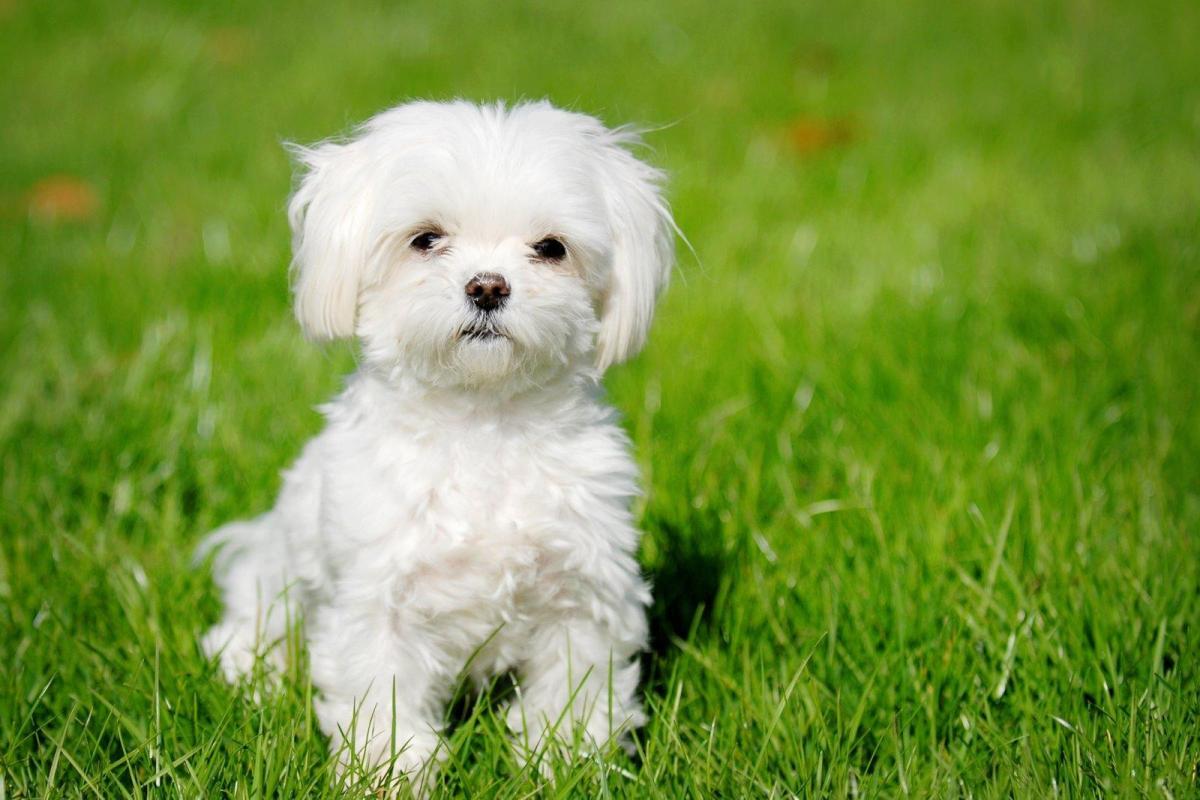
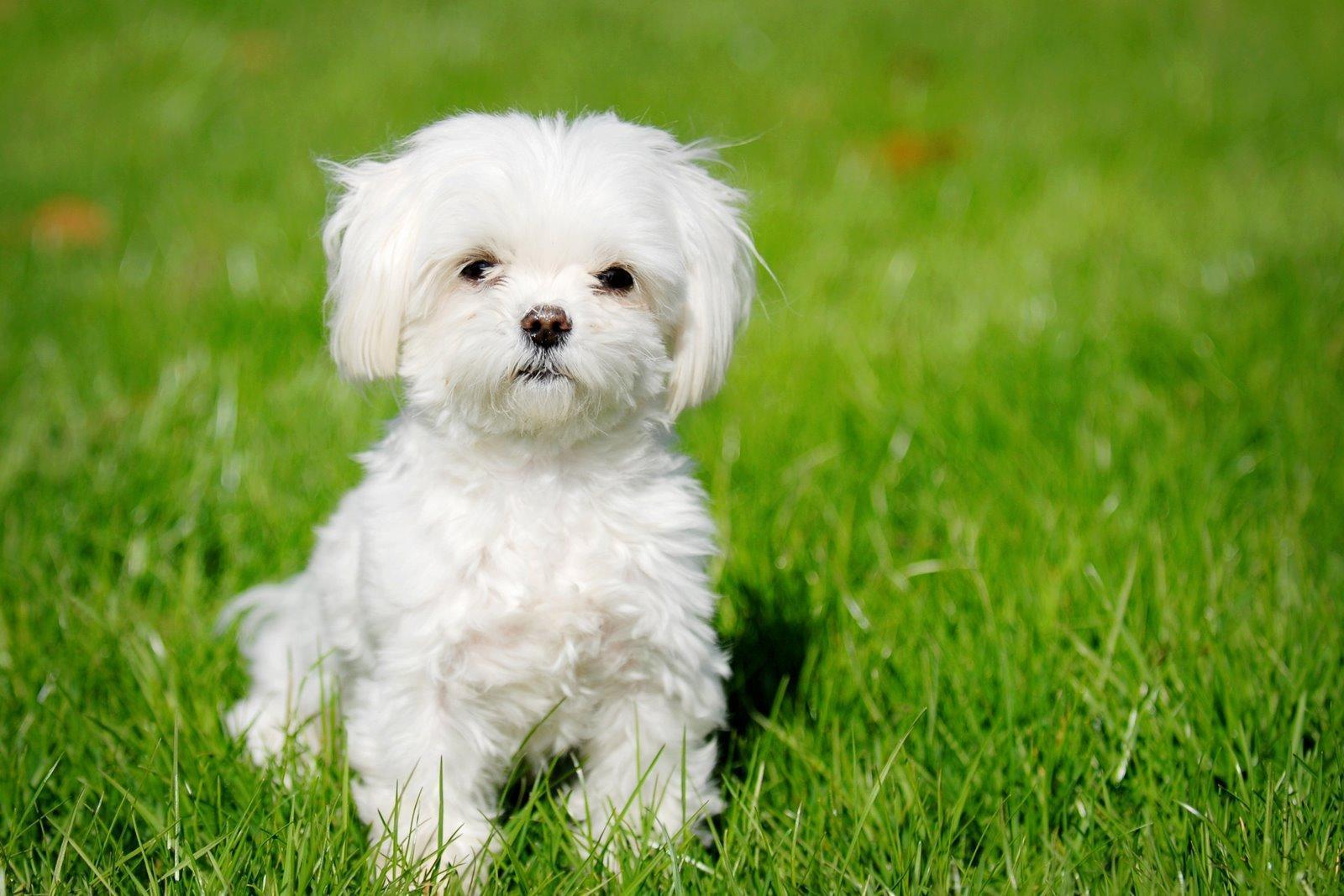
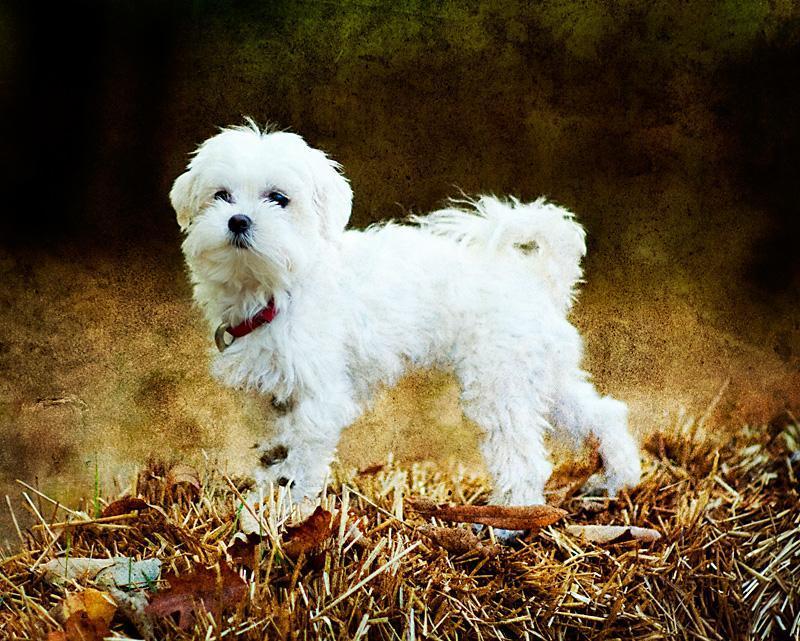
Lovely, the perfect size, a family dog, beautiful and very intelligent. An apt description of the Bichon Maltese, one of the oldest breeds in the West. It has a lovely coat, but it requires daily maintenance care. A puppy that is perfect for family life as a result of their behaviour, intelligence and beauty.
If you are a lucky owner of a Bichon Maltese, today's OneHowTo article is just right for you. We'll tell you how to care for this terrific companion, with reference to accessories used daily for its maintenance and everything you need to know about how to care for a Bichon Maltese.
Bichon Maltese fur
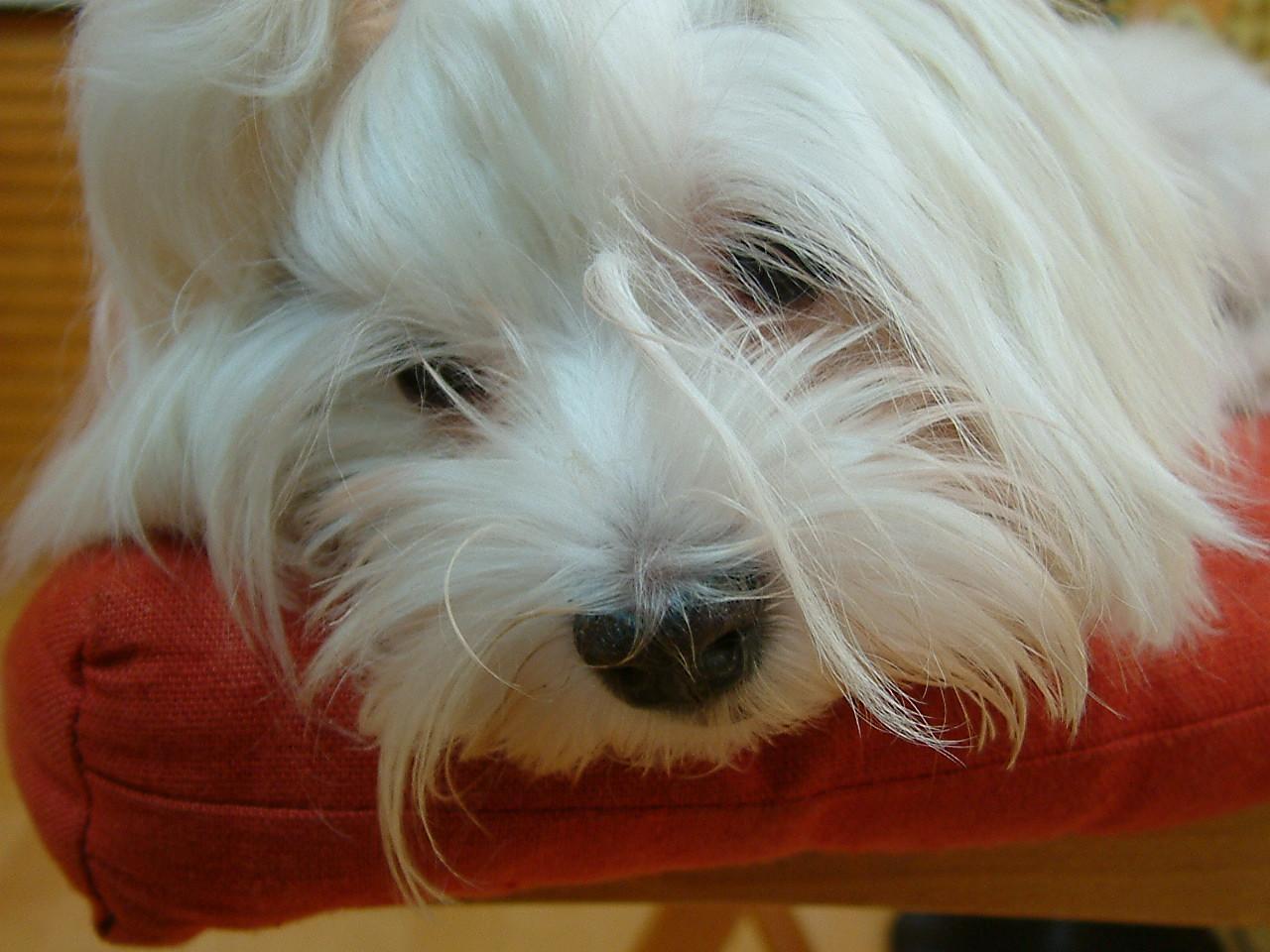
The Bichon is a dog that requires special care with regards to its fur, one of its main appealing features. You must comb its coat on a daily basis to avoid knots that can become a real nuisance for your furry friend and for yourself. This is because its coat tends to attract dirt which becomes stuck and is difficult to remove.
With a good comb and a daily brushing routine, you will help to keep its fur clean and free of knots. Also bear in mind that besides you brushing your dog's fur, you might need to invest in professional dog grooming and bathing.
Visits to the dog groomers are needed to help keep the coat in good condition and to keep your dog nice and cool in summer, and snug in winter. There are a variety of hairstyles for a Bichon Maltese. Choose one that suits you in terms of practicality, your budget or simple taste.
Baths are important to keep dogs clean. It is important to use only special products for the animal and not regular shampoo designed for humans. This is because it could damage their fur, cause allergies, irritation and discomfort as they have a pH that is different from ours. There are specialised shampoos on the market to keep the whiteness of the dog's coat, as it tends to turn a reddish colour. Special care should be taken when applying shampoo, avoiding the delicate eye area and nose. Also avoid these areas when rinsing with water. It is advisable to apply a special conditioner to prevent knots from forming in its long coat and to avoid hurting the animal when combing.
Additionally, consider trimming your Bichon Maltese's fur every 4 to 6 weeks. This helps maintain a manageable length and prevents matting. Regular trimming also contributes to the overall health of the skin by allowing it to breathe better. Moreover, keeping your pet's ears clean and free from excessive hair can prevent infections. Using a gentle ear cleaning solution once a week is recommended to ensure optimal ear health.

Walks with your Bichon Maltese
The Bichon Maltese is a sociable dog, it likes to be with their owner and family, as well as other dogs of other breeds. 2 daily walks during the weekdays for about 30 minutes each will be enough. However, bear in mind that, on account of their physical form, they are not very resilient to long walks with considerable effort. They will lag behind, lie down on the floor and their breathing will become heavier when they are exhausted.
Early in the morning it is important that they are let out to do their business, especially if they have drunk water overnight. If you're fortunate enough to be able to take your dog out for a walk at noon, don't hesitate to do so - your pet will benefit greatly.
In addition to regular walks, engaging your Bichon Maltese in interactive play sessions can be highly beneficial. Activities like fetch, gentle tug-of-war, or agility exercises not only provide physical exercise but also stimulate their minds. Keeping their mental health in check is essential, as it helps prevent boredom and associated destructive behaviors. These sessions can be a wonderful bonding opportunity for you and your pet.

Tear stains on its face
It is very unlikely to see this breed of dog with a totally white face as they commonly have stains that run from its eyes towards its snout. This stain occurs as a result of a fungus that forms in the area due to moisture that is often present. It can be treated with the use of suitable products that contain antibiotics, such as tylosin. This is not harmful to the dog and will help treat infection.
The product is used in powder form and mixed with other foods in a treatment that lasts about 6 months. The price per kilo of product is greater than 90 euros, but after treatment stains are removed and the fungus disappears forever.
In addition to tylosin, maintaining regular grooming and using a damp cloth to gently clean the area around their eyes daily can help manage tear staining. Ensuring their diet is rich in essential nutrients and free from allergens can also reduce the incidence of excessive tearing. It's advisable to consult your veterinarian for personalized advice on managing tear stains effectively.

Further recommendations to take care of your Bichon Maltese
Go to your veterinarian to find out about more important questions with regards to the health of your Bichon Maltese, e.g. spaying or neutering, vaccinations, the most recommended diets, brushing their teeth and tricks to train them properly.
It should be noted that dental care is crucial for this breed. Regular brushing of their teeth can prevent dental diseases, which are common in small breeds. Dental treats and toys can also help keep their teeth clean. Furthermore, socialization from a young age is important in ensuring your Bichon Maltese grows up to be a well-adjusted and friendly dog. Exposure to different environments, people, and other animals will help them develop confidence and reduce anxiety in new situations.
If you want to read similar articles to How to Care for a Bichon Maltese, we recommend you visit our Pets category.