Why does a Rabbit’s Fur Change Color

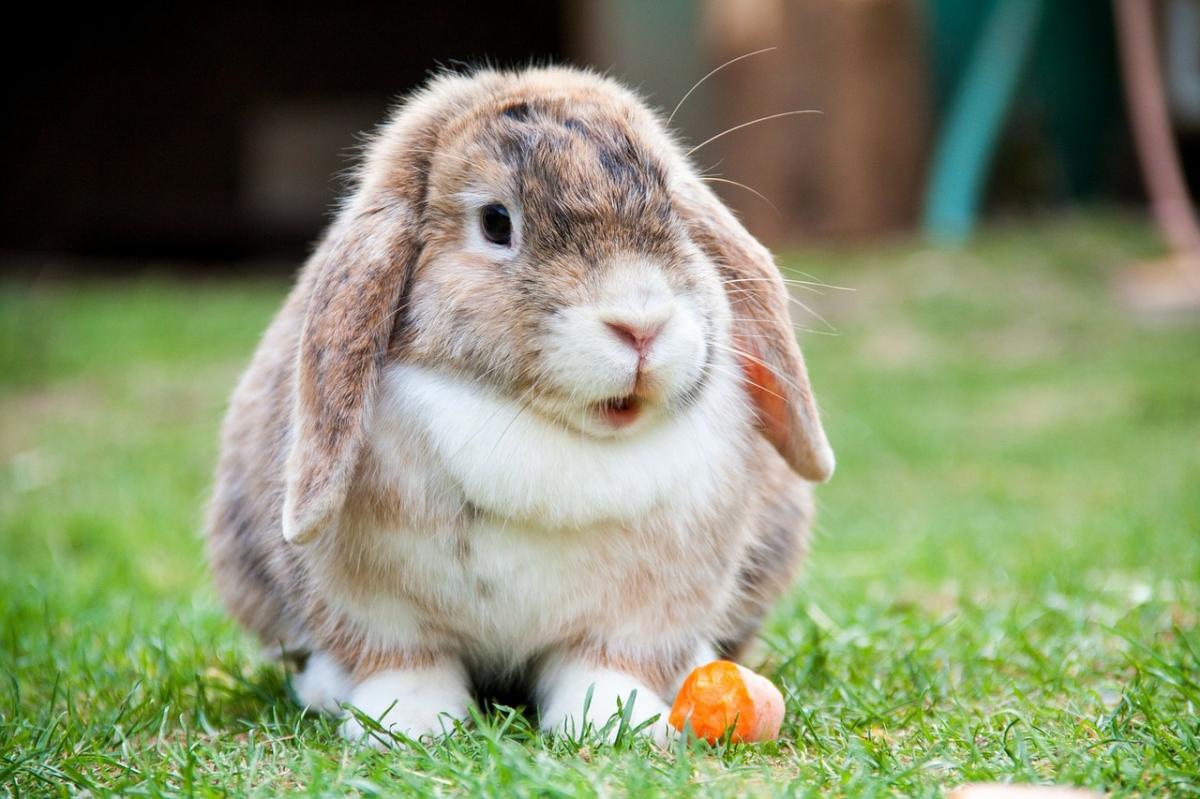
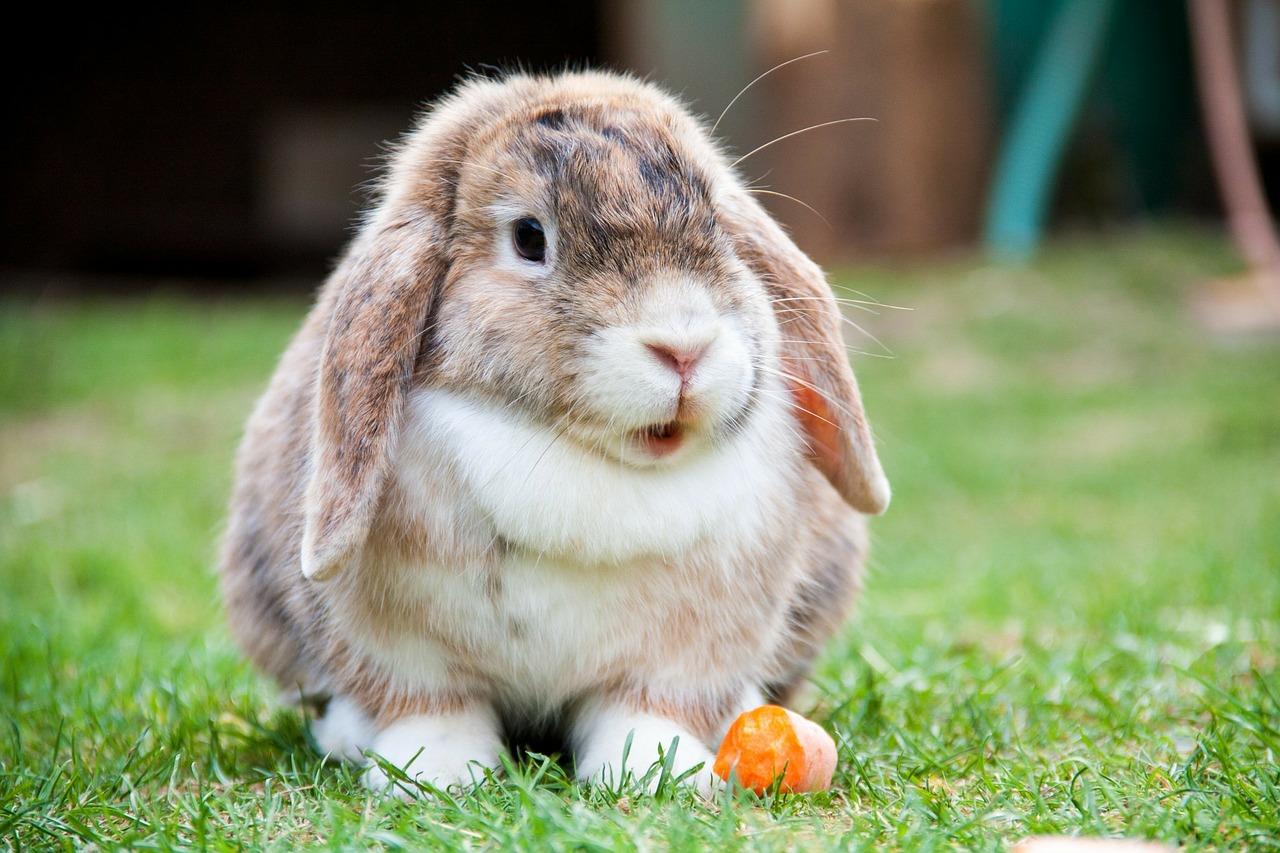
Rabbits are soft, little, and perfect as a pet in every household. These shy, gentle creatures are just pure delight to hold and cuddle. People who have rabbits as pets sometimes become worried when they realize that their rabbit’s fur is changing its color. Most people think that their rabbit is sick or is suffering from some medical condition. But the color change in rabbit’s fur is quite a natural process called molting.
In this article, we will explore why rabbit’s fur changes color.
A little introduction to rabbits
Earlier, rabbits were thought to belong to the rodent family. However, recent research has found that rabbits are actually lagomorphs, which are plant-eating mammals that have fully furred feet and two pairs of upper incisors.
Rabbits shed their fur quite frequently, and when the fur regrows, it is soft, clean, and there might be a slight or complete change in color. Rabbits that are living in their natural habitat instead of being pets often change color according to the season. The changed color of their fur acts as camouflage and saves them from predators. In addition, this adaptation helps them blend into their environment more effectively, enhancing their chances of survival.

Molting in rabbits
Molting in rabbits is the process of losing the fur coat so that a new coat grows back in its place. Molting in rabbits occurs regularly at several stages in their life. Molting in rabbits varies according to their breed and sometimes can even vary for two rabbits of the same breed, depending on the conditions they are kept at home (for instance, colder or warmer temperatures). Usually, the period of molting lasts from 2 weeks to 6 weeks.
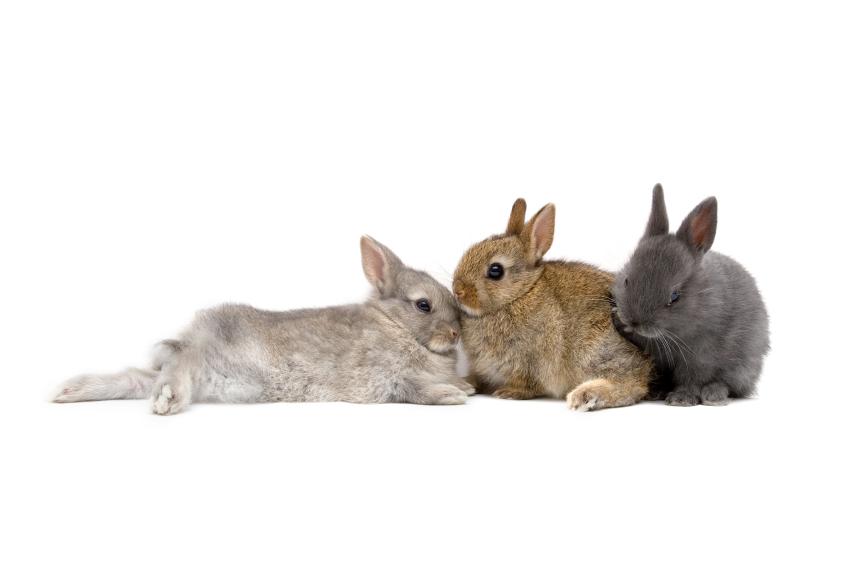
When your rabbit is a baby of 4–5 months of age, it will shed its baby fur coat and grow an intermediate coat. Then it will grow an adult fur coat, and after that, you can actually notice the change in color whenever they molt.
Usually, a rabbit sheds its fur at an interval of every 3 months. Light molts may occur in between that period, but they are barely noticeable. Heavy molting occurs when the rabbit molts seasonally. At the end of the winter season and at the end of the summer, you will notice heavy molting. This process is crucial for their body to adapt to the temperature changes associated with different seasons.

Why do rabbits molt?
Rabbits molt due to two main reasons:
- Molting while growing up: The fur color of rabbits changes every time they molt as they grow up. This is a natural process that allows their fur to mature as they do.
- Molting due to seasonal change: When a rabbit molts with every change in season, their fur color changes. They molt at every season change to regulate their body temperature. This adaptation is essential for their survival, as it helps them maintain an optimal body temperature regardless of the external environment.
Additionally, molting ensures that rabbits have a fresh coat that can provide better protection against the elements and potential predators.
How do rabbits molt?
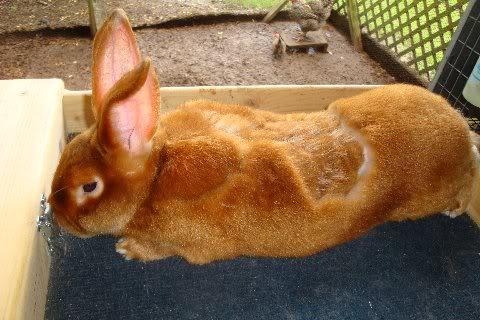
In a rabbit, molting usually begins from the head. Then it progresses down the neck and the back. Then the molting occurs in the stomach region. For some rabbits, the molting process is uniform throughout the body as molting patches appear throughout their bodies without any distinct pattern. In some rabbits, naked skin is exposed when the fur from that region is shed completely during molting.
This process can vary greatly among different rabbit breeds and even individuals, as environmental factors and genetics play a significant role in determining the molting pattern.

If you want to read similar articles to Why does a Rabbit’s Fur Change Color, we recommend you visit our Pets category.
Tips
- If your rabbit is losing fur or changing its color, don't worry; it is not a sign of any sickness. It is only a natural process of molting. During this time, ensure your rabbit has a balanced diet and is kept in a stress-free environment to aid in healthy fur regrowth.