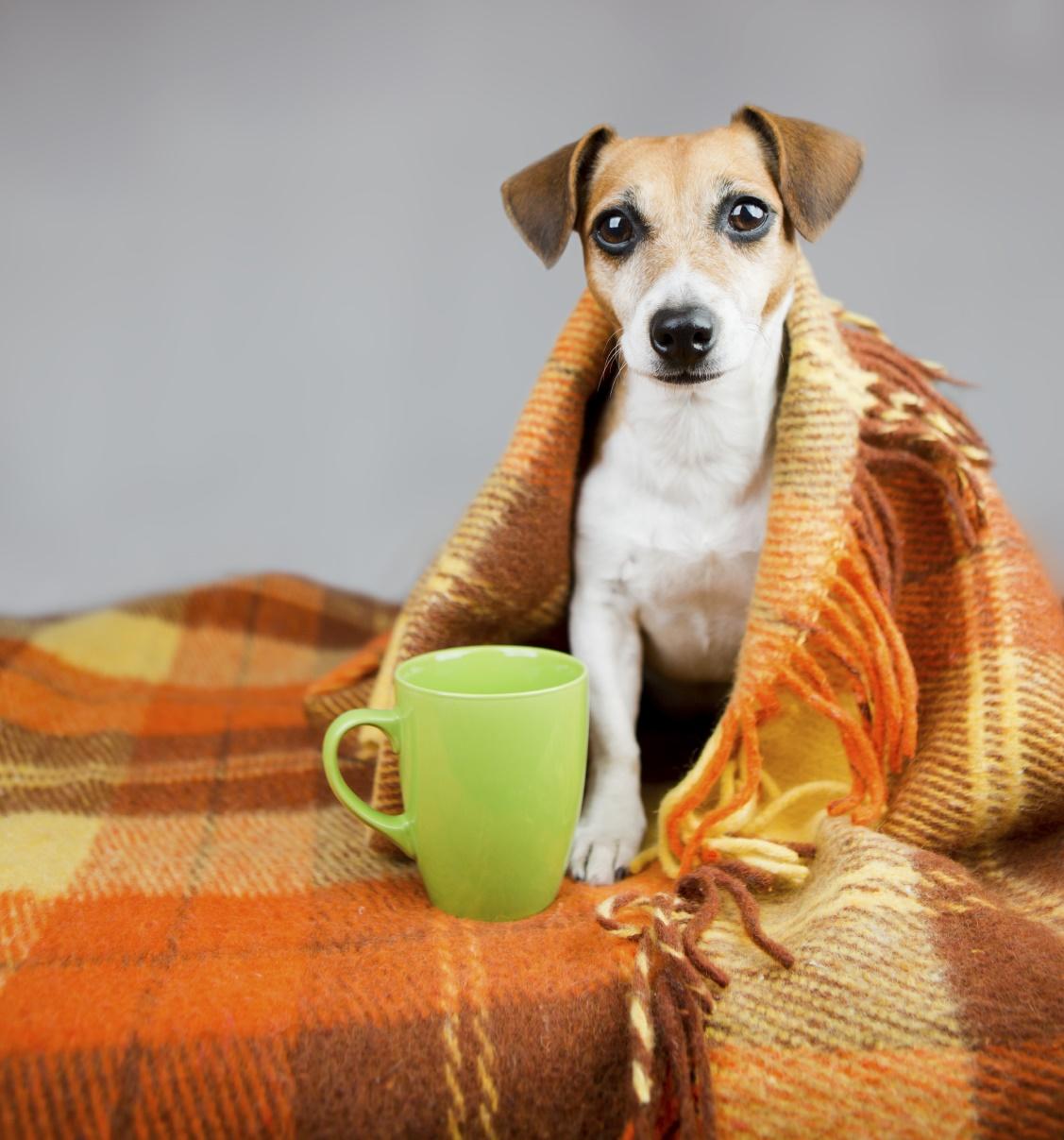
Should I Cover my Dog with a Blanket?


Do you know that your dog gets cold during winters too? No matter how dense their fur is, they too feel freeze at times. But most dog owners do not prefer covering their dog with a blanket, as it may increase the risk of suffocation and choking. Here at OneHowTo.com, we are going to find out if you should cover your dog with a blanket and when to do so.
Consider the dog’s breed
First of all, you need to know that the dogs' fur helps in protecting them from the cold. They also have a layer of fat under their skin that keeps them warm. But sometimes, these are not enough to keep them feeling warm, and they need something extra to feel cozy. You also need to know that coats of all dogs are not same. For instance, Chihuahua and other such short-haired dogs don’t have enough natural protection against cold. Puppies and smaller breeds of dogs also need extra special attention to stay warm during winters.
On the other hand, larger breeds with thicker coats, such as Huskies or Saint Bernards, are naturally better equipped to handle colder temperatures. However, even these breeds might need additional warmth during extreme weather conditions, especially if they are accustomed to living indoors where temperatures are generally regulated. Observing your dog's behavior and comfort level is key to determining its needs in cold weather.
Check for certain symptoms
It becomes important to cover your dog with a blanket if you see following symptoms of cold in your dog:
- If the skin areas around its nose is too dry, it is a sign that its body is not tolerating the cold temperatures outside.
- If you see signs of tiredness and sleepiness in your dog, then it might be feeling cold.
- If your dog shakes or trembles when you take it outside, then it may be because it is feeling cold. Try to keep it in places that are not too windy.
- Slow breathing is another sign of your dog feeling cold.
- If your dog’s movements are too slow, clumsy and stiff, then its muscles must have become stiff due to cold.
- If a certain part of its body has become numb, give it a good massage to make it warm and circulate blood. Later, keep it covered with a blanket.
In addition to these, pay attention to changes in your dog's appetite and energy levels. A decrease in either could indicate that your pet is feeling the effects of the cold. Moreover, some dogs may exhibit anxiety or restlessness when cold, as they struggle to find a comfortable spot. It should be noted that providing a warm environment can alleviate these symptoms.
After covering the dog with a blanket
Once you know that your dog is feeling cold, it is better to cover your dog with a blanket. But make sure that you keep it under supervision at least for the first few days. If you are stuffing your dog’s den with a blanket, make sure that it does not restrict air flow and the dog does not feel uneasy. If it feels scared with the blanket on, then it is better to remove it. If you see signs of accidents on the blanket, or see gnawing or chewing on it, then it is perhaps because the dog does not like the blanket.
It is also prudent to introduce the blanket gradually, allowing your dog to become familiar with its scent and texture. This can be done by placing the blanket in your dog's bed without covering them initially. Observe their reactions; if they seem to enjoy the warmth and comfort, you can start using it more regularly. Remember, each dog is unique and may have different preferences for warmth and comfort.
Other ways of keeping the dog warm
To keep a dog warm, make sure that you have kept your home warm, and avoid keeping your dog’s kennel outside during winters. Give it a nutrient and calorie rich food, which will give it energy to stay warm during cold. Don’t cut its hair during winters, as their hair is the main source of warmth for them. Dress it up in some warm canine clothes, which will keep it warm without the risk of suffocation.
Additionally, consider using heated pet beds or thermal blankets specifically designed for pets, which provide consistent warmth without overheating. Ensuring your dog stays dry is equally crucial, as wet fur can chill them quickly. After outdoor activities in snow or rain, dry them thoroughly with a towel. Encouraging indoor playtime can also keep them active and warm. Finally, regular vet check-ups during winter can help monitor your dog's health and ensure they are adequately protected against the cold.

If you want to read similar articles to Should I Cover my Dog with a Blanket?, we recommend you visit our Pets category.
- Winter safety tips (Cornell University College of Veterinary Medicine)