Do Moles Make Good Pets?

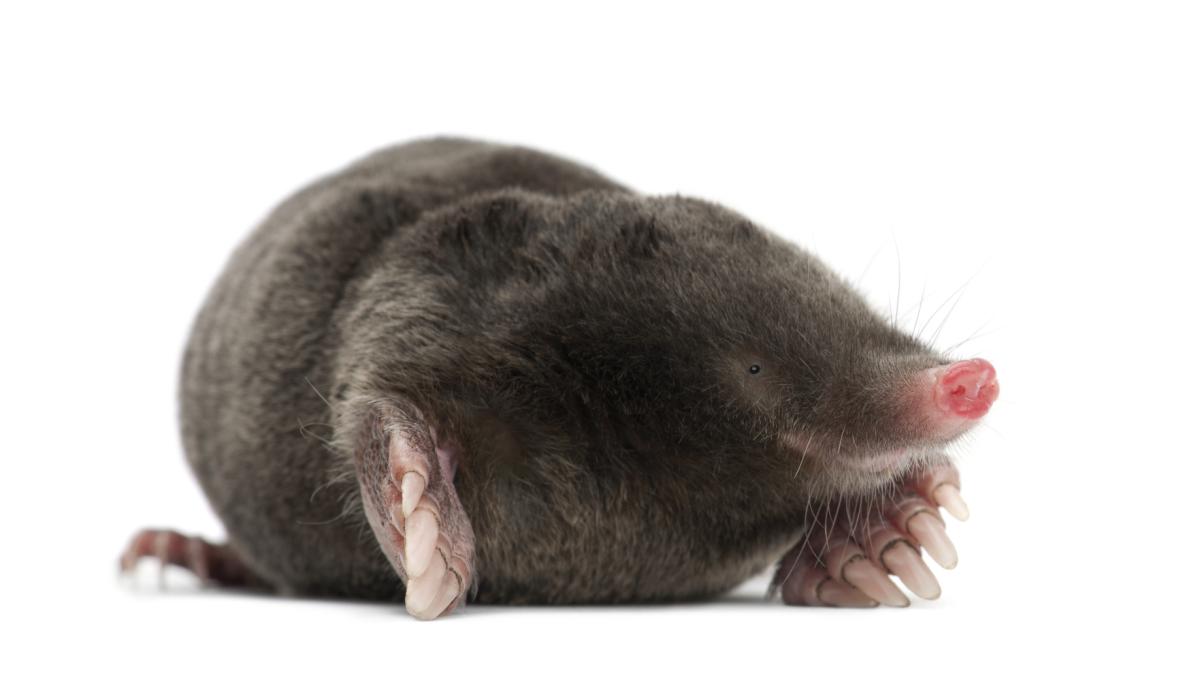
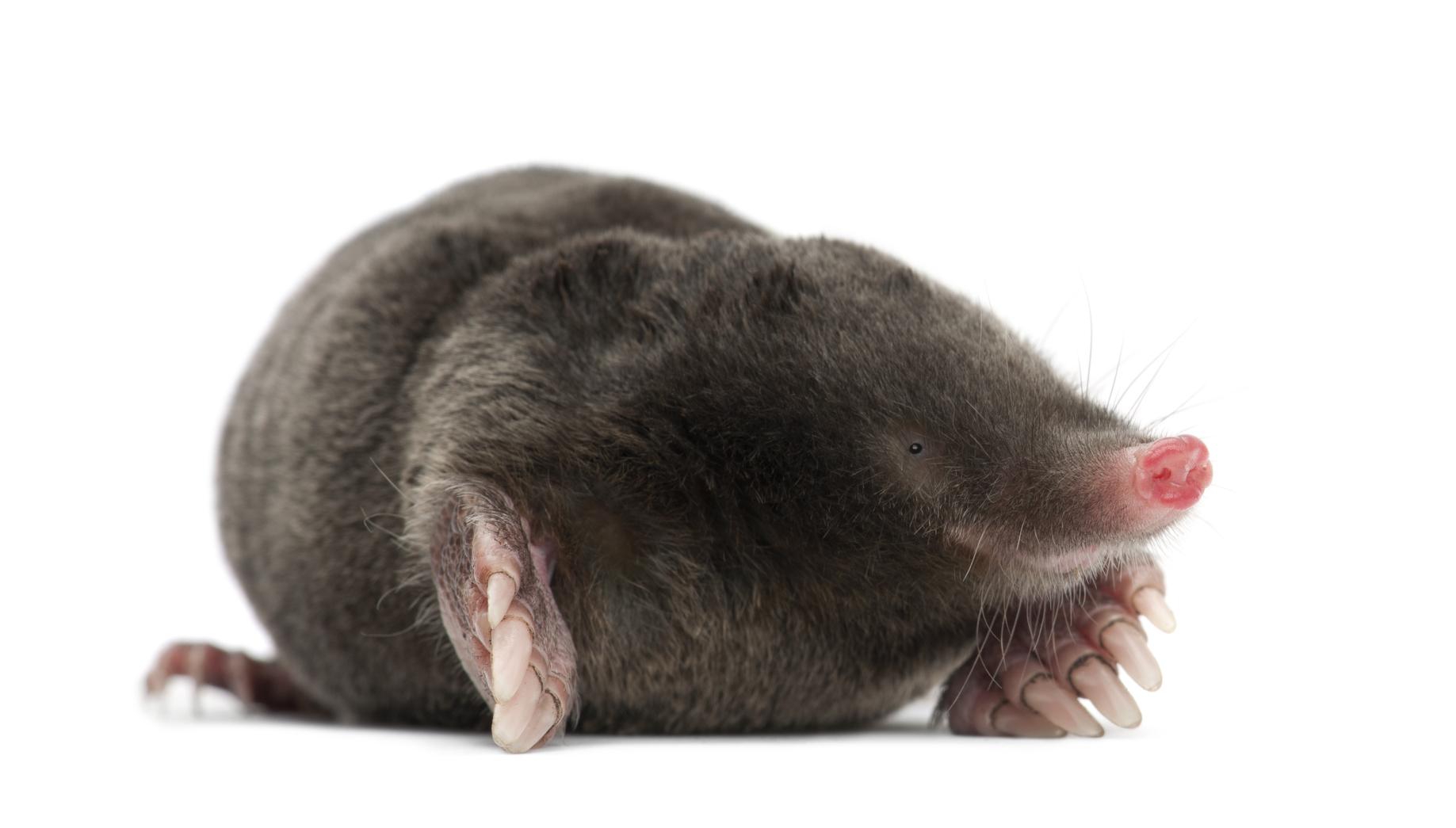
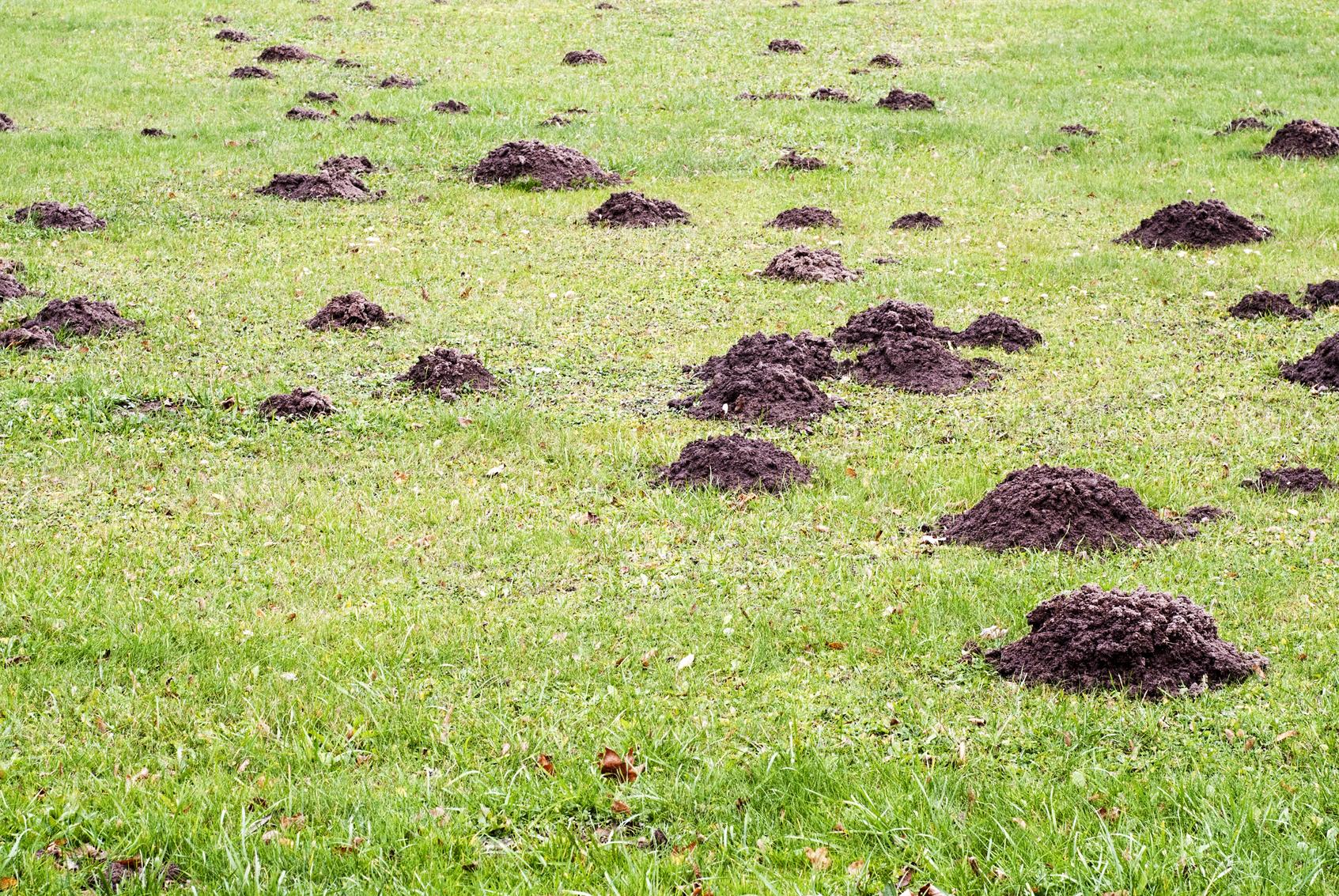
Moles are commonly found in Europe and North America, and there is a huge variety of breeds out there. But mostly, moles are not owned as pets. In old England, women could even be punished to death for owning a mole pet, as the animal was considered to be associated with witchcraft. In fact, people often hate them for digging up their lawn and garden and creating dozens of mole hills all around. But there may be some reasons why you want to keep a pet mole, such as if you found an injured one and you don’t want to release it into the wild. Although moles make awful pets and die quickly when kept in captivity, you can keep it happy by providing it properly. In this article at OneHowTo.com, we are going to discuss if moles make good pets or not.
Reproduce their primary environment
Moles stay happy in their tunnels, and want to constantly feel their walls. If you can reproduce a similar environment for your pet mole, it may thrive in captivity as well. But remember, tunnels are not easily cleaned and managed. When it is not surrounded by something, it feels exposed and endangered, and can even die within 1-3 days due to constant nervousness. It can’t even eat well when it feels nervous, and it often dies due to hunger and terror. Adult moles probably cannot adjust to confinement and often die due to nervousness. In fact, young moles are easily caught, and can at least adjust to a well-prepared environment. Additionally, it is crucial to consider that moles are adapted to an underground lifestyle, meaning their sensory systems are highly attuned to the feel of the earth around them. Recreating this environment is not just about the physical structure but also the sensory experience.
Take care of the climate
Moles prefer having dirt in their tunnels, so that they look more like ant farms. Though, they need a back that can be opened so that feed can be provided for them. Natural underground tunnels are not exposed to extreme temperature conditions, but the ones that you create can make them too warm or too cold, or they may get exposed to rapid temperature changes. They can be quickly killed by sunlight as well. It's important to mimic the stable temperatures of their natural habitat as closely as possible. For example, moles are generally found in regions with moderate climates, and sudden shifts in temperature can be detrimental. Installing temperature control mechanisms in their enclosures can help maintain a conducive environment, ensuring that they are neither too hot nor too cold.
Keep away from moisture
Although moles are good at swimming, they cannot tolerate excessive moisture. Give a tunnel to them with an opening to a swimming area, especially if it is an eastern mole. A mole’s fur is very soft as compared to other furry animals, due to which dirt does not adhere to their body, despite living under the ground. Moreover, too much moisture can lead to respiratory issues in moles, as their natural burrows are typically dry. It should be noted that maintaining an optimal moisture level is just as important as controlling the temperature. This balance can prevent health complications and ensure the mole's well-being in captivity.
Keep them alone
One mole seldom tolerates another mole. If you place two together, they will end up fighting and dying. Even when you see in your lawn, you will see only one mole at a time. Sometimes, you may think that there are dozens of moles in your garden, but usually it is just one that has made so many mole hills out there. As soon as you manage to kill one, another one enters and you think that there are many. Even mothers force their babies out as soon as they wean. Even from a huge distance, they can sense a mole coming from the other side of the tunnel, and run to beat it up immediately. Moles are solitary creatures by nature, and their territorial instincts are strong. In this regard, understanding their behavior can help in creating a more suitable living environment if you decide to keep one as a pet.

If you want to read similar articles to Do Moles Make Good Pets?, we recommend you visit our Pets category.