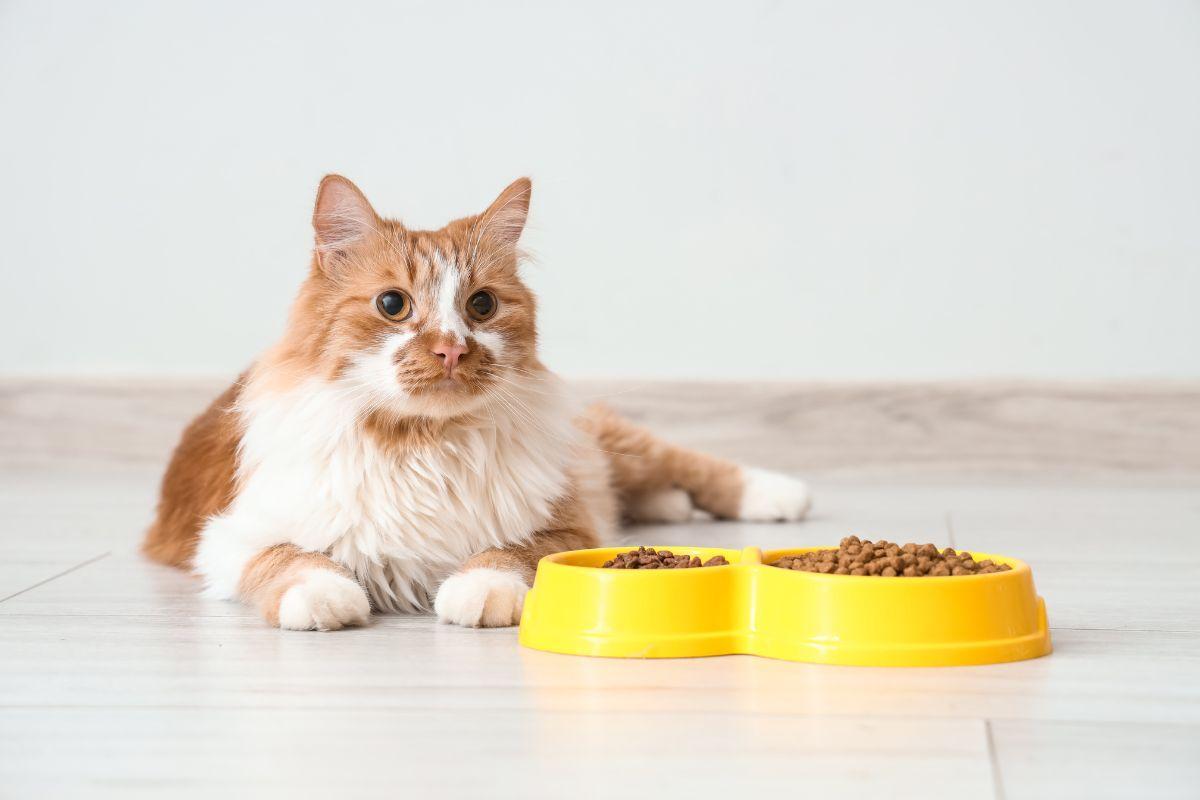
The 8 Best Cat Foods for Allergic Cats (and the Ingredient Checklist That Actually Matters)

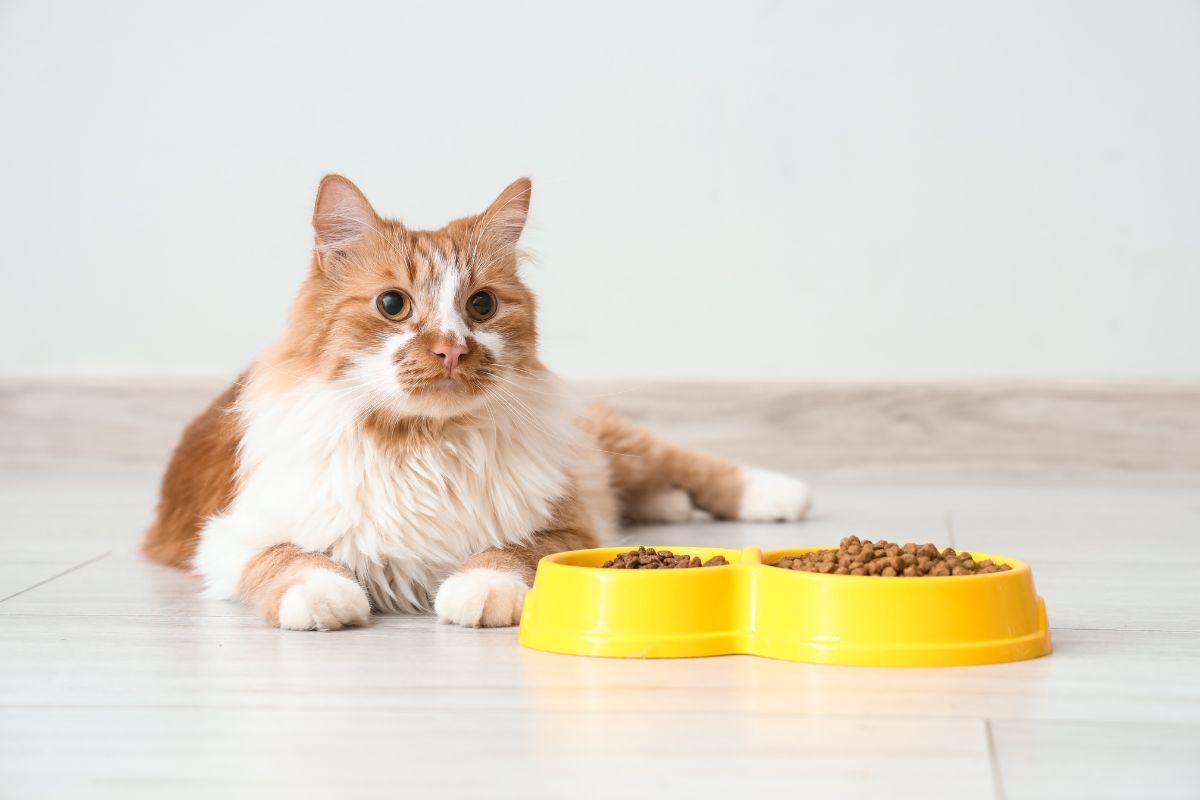
Nothing makes a cat parent feel more helpless than watching their feline scratch, lick, and sneeze after every meal. Between cryptic ingredient panels and a dizzying array of “hypoallergenic” claims, choosing the right food can turn into a full-time job.
This guide distills the science behind feline food allergies and ranks eight allergy-friendly wet foods—each given the exact same spotlight so you can compare apples to apples.
You’ll also get a printable checklist for label-sleuthing that works for any brand.
What Counts as a Food Allergy?
Veterinary dermatologists lump true allergies and adverse reactions under the umbrella term cutaneous adverse food reactions (CAFRs). These reactions represent 10%–25% of all allergic dermatitis cases in pets, with chicken now topping the list of feline triggers.
Unlike simple intolerances—think gas after milk—CAFRs set off an immune response that can manifest as itching, ear infections, diarrhea, or even respiratory symptoms.
Because multiple proteins can share similar allergenic fragments, cats who react to chicken may also react to turkey or duck.
Why Moisture & Simplicity Both Matter
Most elimination diets zero in on what’s taken out: fewer proteins, no wheat, no soy. Yet the amount of water in the recipe is equally crucial.
Wet cat foods average 70%–80% moisture, a level that helps mimic natural prey-style hydration and promotes urinary-tract health.
A Waltham Centre study showed that diets with at least 53% moisture produced significantly larger, more dilute urine volumes, lowering stone-formation risk.
Put simply: the shorter the ingredient list and the wetter the texture, the easier it is on itchy skin and sensitive bladders.
How These Picks Were Chosen
- Single or clearly novel animal protein.
- ≥70% moisture (as-fed).
- No peas, potatoes, wheat, soy, or artificial flavors.
- Complete & balanced to AAFCO guidelines for adult maintenance.
- Shelf-availability in North America.
Quick-Scan Ingredient Checklist
Use this list when you’re in the aisle or clicking “Add to Cart.”
- Protein #1 is a single animal source your cat isn’t familiar with (novel protein).
- No feathered relatives of known triggers (e.g., turkey if chicken is a problem).
- Zero wheat, corn, soy, peas, or potatoes.
- Crude protein ≥10% (wet basis) and moisture ≥70%.
- Added omegas or fish oil for skin support.
- If carrageenan is listed, confirm your vet is okay with it.
The Eight Allergy-Smart Wet Foods
KOHA Limited Ingredient Rabbit Paté
KOHA tops this list because it delivers serious allergy relief without filler fluff. The formula is 96% rabbit (exclusive of water) and is moisture-rich, making every bite protein-dense and hydration-friendly.
There are no peas, potatoes, wheat, corn, or carrageenan—just rabbit, a dash of pumpkin for digestive fiber, and cranberries for urinary support.
Taurine, zinc proteinate, and other minerals round out the skin-health profile. KOHA’s cans are certified BPA Non-Intent.
Transition slowly over five or more days. Most cats adapt quickly to the mild rabbit aroma and silky texture.
2. Instinct Limited Ingredient Diet Real Duck Recipe Paté
This single-protein formula relies on cage-free duck and duck broth to reach 78% moisture. The ingredient list stays under ten lines: no grains, dairy, eggs, or carrageenan.
Pumpkin seed provides fiber without raising carbohydrate load. The recipe meets AAFCO adult standards and includes taurine and chelated zinc for skin support.
All cans are 5.5 oz, simplifying portion control.
3. Ziwi Peak Venison Recipe Canned Cat Food
Grass-fed venison headlines this New Zealand formula. Green-lipped mussel adds natural glucosamine and omega-3s.
Moisture sits at 78%, and the recipe contains no gums, potatoes, or legumes. The meat-to-mussel ratio (92% to 3%) is listed clearly.
Venison is rarely cross-reactive with poultry, making it a strong option after rabbit or duck.
4. Royal Canin Veterinary Diet Hydrolyzed Protein Loaf in Sauce
Available through veterinarians only, this diet hydrolyzes poultry protein into fragments too small to trigger immune responses.
Moisture reaches 78%. Rice starch replaces grains and legumes. Vitamin E and taurine support antioxidant and heart health.
Ideal when novel proteins are not tolerated or are cost-prohibitive.
5. FirstMate Limited Ingredient Turkey & Pumpkin Formula
Dark-meat turkey and turkey broth bring moisture up to 82%. The ingredient list includes just eight items. Pumpkin provides soluble fiber for digestive stability.
Guar gum thickens the mix, and flaxseed adds omega-3s.
Avoid if poultry allergies are suspected.
6. Stella & Chewy’s Absolutely Rabbit Freeze-Dried Dinner Morsels
This freeze-dried formula contains 92% rabbit. When rehydrated at a 1:2 ratio, moisture reaches around 72%.
Cranberries support urinary health, and rabbit liver contributes natural taurine.
Requires soaking in warm water before serving.
7. Hound & Gatos 98% Quail & Duck Entrée
Quail leads this novel-protein recipe. Moisture reaches 78% thanks to broth inclusion.
Agar-agar replaces carrageenan. Sunflower oil supplies linoleic acid for skin health.
No peas, lentils, or potatoes appear on the label.
8. Blue Buffalo True Solutions Skin & Coat Care Salmon Recipe Paté
This salmon-based recipe provides 80% moisture.
Biotin, zinc, and fish oil boost skin-support nutrients. No wheat, soy, corn, or artificial colors are included.
Use only after ruling out seafood allergies.
Transition & Rotation Tips
Switch gradually. Replace 25% of your cat’s current food with the new recipe every two days.
An elimination diet should last at least eight weeks. Many cases require the full duration.
If symptoms resolve, introduce one new protein for 14 days and monitor for recurrence.
Keep a detailed food diary, including treats and flavored medications.
FAQ & Troubleshooting
“My vet says eight weeks, but the label says three.”
Follow your veterinarian’s advice. Over half of cats in a 2025 hydrolyzed-diet study required more than four weeks to show improvement.
“What if my cat refuses novel proteins?”
Warm food to body temperature to enhance aroma. Use matching single-protein treats if needed during elimination trials.
Conclusion
Food allergies and feline pickiness can be frustrating—but manageable.
Stick to the checklist, choose one moisture-rich formula, and commit to the full eight-week trial. Your cat’s skin—and your peace of mind—will benefit.
If you want to read similar articles to The 8 Best Cat Foods for Allergic Cats (and the Ingredient Checklist That Actually Matters), we recommend you visit our Pets category.
- Waltham Centre for Pet Nutrition.
- Frontiers in Veterinary Science (2025). Study on hydrolyzed diets in veterinary nutrition.