How and What to Feed a Baby Bird


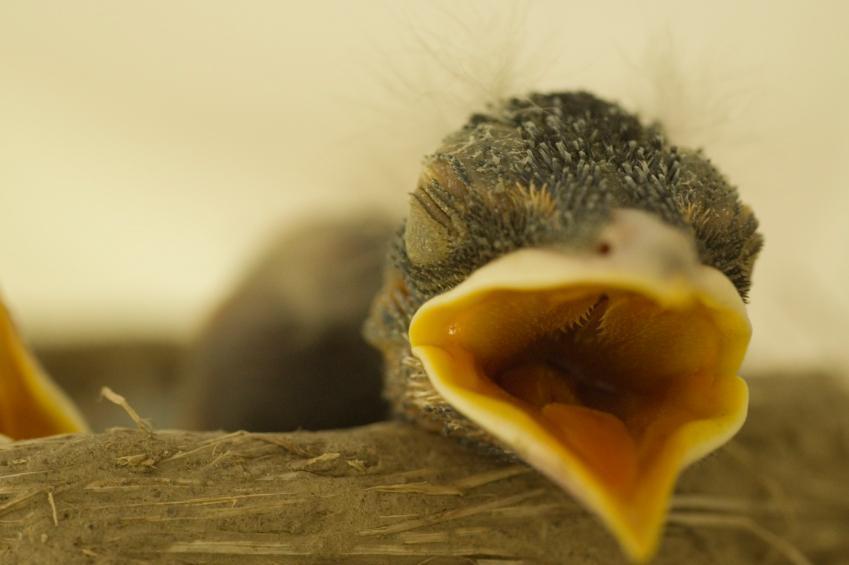
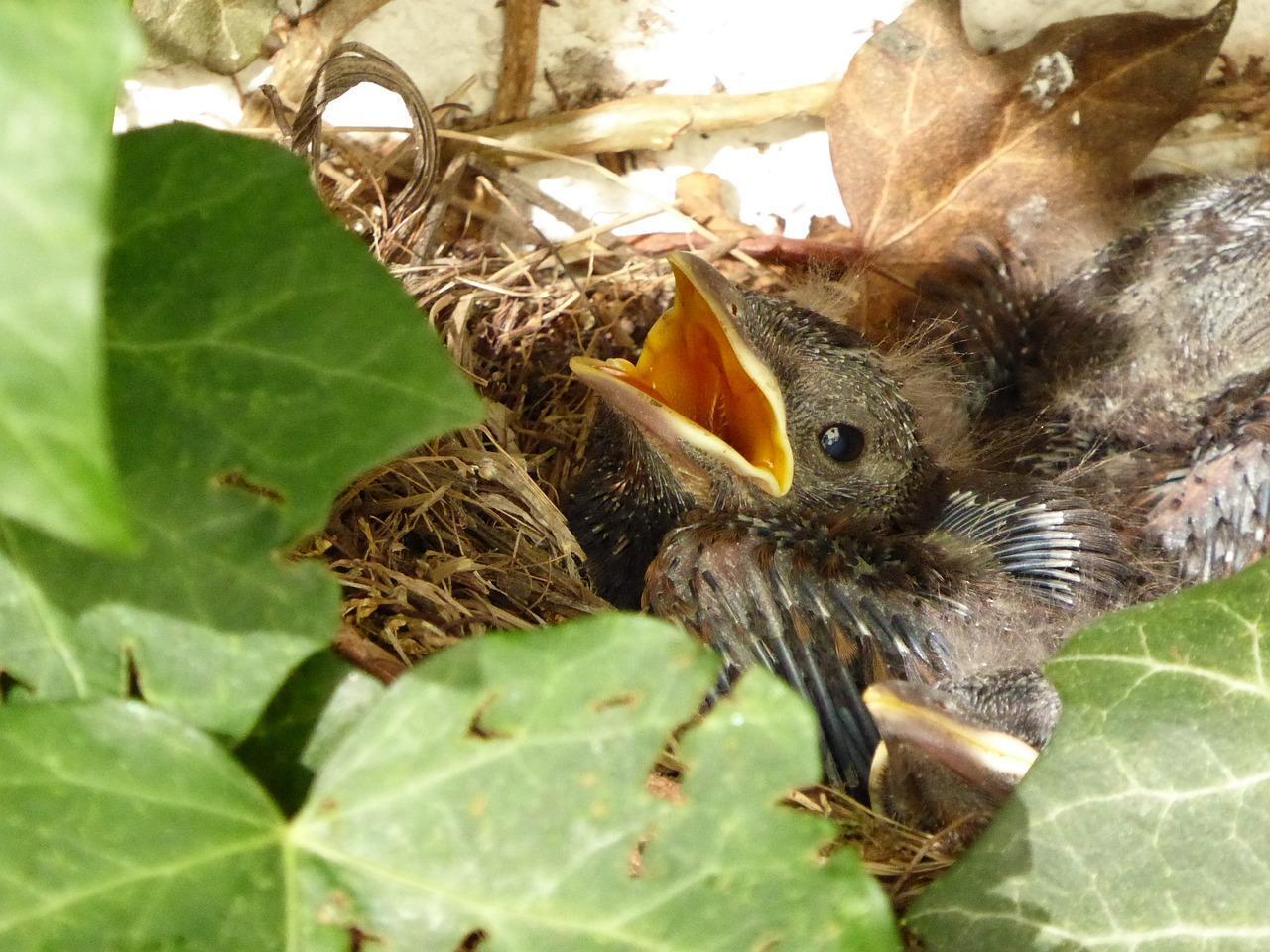
Have you found a nice baby bird fallen from the nest that you want to take home but don´t know how and what to feed it? Although taking the baby bird home is the most natural reaction from those who encounter a baby bird down the street, the truth is that sometimes it´s not the most appropriate choice. The problem is that wild species should not live in captivity and having a baby bird at home can be a serious mistake. However, if you already have the bird at home, it will be crucial to know how and what to feed a baby bird. That is why on OneHowTo we want to help you with some key recommendations.
Steps to follow:
As we mentioned already in the introduction to this article, taking a baby bird or chick home is not such a good idea as it sounds. Wild birds must live in freedom and fend for themselves, so putting them in a cage or a cardboard box and feeding them is basically an assault on their freedom and dignity.
Also, you should know that if the baby bird in question is a breeding bird of prey (Hawk, eagle, owl...), the baby bird should be taken directly to a bird recovery center or general animal center to guarantee it the appropriate care it needs. In addition to the special needs of those species, it is not legal to possess or eat protected raptors. In this regard, wildlife rehabilitation centers are specifically equipped to handle such delicate situations and provide the best possible care.
That is why if you see a baby bird on the floor, apparently abandoned, the first thing you should do is try to locate the nest it has fallen from. If you find it, it will be important that you return the baby bird to its nest. You can also choose to place it in a nearby place like a tree and wait to see if their parents come looking for it. In some cases, parent birds may still be in the vicinity, monitoring their young from afar.
If you are in a dangerous area for a bird, such as a road or near a manhole down which the baby bird could fall, you should take the little bird and place it in a safe place. However, you should try to touch the baby bird as little as possible, as human scent can sometimes deter parent birds from reclaiming their young.

If it´s impossible to find the nest and the parents have not returned in search of their baby bird, you can try to adopt the orphan bird and take it home. Still, you should know in advance that the chances of survival are not high, especially if it is a new-born chick. Baby birds require specific environmental conditions that are challenging to replicate at home.
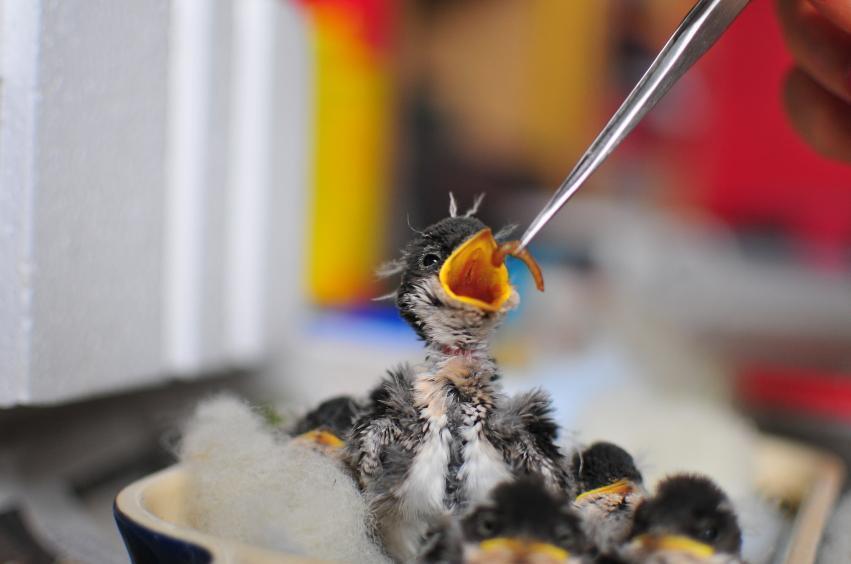
It is also very important that, when you feed the baby bird you've taken, you wear latex gloves and use tweezers in order to avoid transmitting diseases to the chick. This precaution also helps in minimizing stress for the bird during feeding.
With regards to what to feed a baby bird, you will require any of the following foods for your orphan baby bird's diet:
- Pasta for insectivorous birds
- Dry food for puppies
- Dry cat food
One of these three products will serve as a basis for feeding the baby bird, and that will help provide all the necessary nutrients to help it grow strong. If you do not have pets or do not have these foods at home, you should resort to marching off to the pet store to get some animal feed.
Many people ask if they can feed a baby bird dog food. The answer is yes, you can feed a baby bird dog food, but it must be for puppies. This is because puppy food is higher in protein, which is essential for the rapid growth and development of the chick.
Once you know what to feed a baby bird, let´s learn how to feed them. Dissolve one of the previously mentioned foods in a cup of warm water in order to prepare a special paste to feed the baby bird. You should get a creamy consistency, similar to yogurt. You can also add some food such as boiled egg or ground egg shell if you want to provide a greater amount of protein. The inclusion of eggshells can add necessary calcium to the diet, which is vital for bone development.
For insect-eating birds such as bluebirds, you also need to offer them some live insects like worms. If it is a seed-eating bird, you'll have to incorporate some seeds into the diet, as in the case of the baby sparrow. If you do not know what species it is, do not risk it. Consult a veterinarian. Identifying the correct species can ensure that you provide an optimal diet.
How to feed a baby bird: you can offer food using tweezers, as we mentioned before, or use a needleless syringe to give the food directly on the peak. If the baby bird refuses to eat, you can try to open the beak very gently to introduce the food. Patience and gentleness are key when handling a fragile baby bird.

Also, note that you should not give water or milk to the baby bird under any circumstances, because the birds get their source of hydration directly from food. Remember that birds are not mammals, so milk will never be part of their diet and it will only cause digestive problems if we offer it. Moreover, introducing liquids directly into their mouths can lead to choking or aspiration, which can be fatal.
In summary, caring for a baby bird is a demanding task that requires commitment and understanding of avian needs. Always prioritize returning the bird to its natural environment whenever possible and seek professional help when needed.
If you want to read similar articles to How and What to Feed a Baby Bird, we recommend you visit our Pets category.