Ovoviviparous animals are the type of animals that are born from eggs that stay inside the mother until just before hatching. Therefore, this type of birthing is a mixture between oviparity - laying eggs to reproduce - and viviparity - developing inside the mother's body.
This class of animals are, in short, a great example of genetic evolution based on survival. We all know that nature is wise, but we still get surprised when discovering its wonders. Here at OneHowTo, we'll explain what are ovoviviparous animals.
Ovoviviparous fish
In most species of fish, females generate a lot of small eggs and then deposit them in places they believe safe for their young, where they can be fertilized by male sperm - that is, they're oviparous. This technique is not very effective, since most eggs die soon and newly hatched larvae have a very low survival rate due to predators and environmental conditions.
That's why some fish like stingrays, guppys, mollys, or platys have evolved into a smarter way of reproduction: ovoviviparity. This method allows them to protect their offspring from predators and environmental hazards. Despite the resemblance with whales or dolphins, sharks are not mammals but rather a large, dangerous kind of fish. Sharks have a wide variety of ways of giving birth depending on the species: viviparous, oviparous, and ovoviviparous.
As is the case with viviparous animals, eggs are fertilized internally and are well protected inside females that nourish them through a placenta, just as mammals do. This internal protection significantly increases the chances of survival for the offspring.

Ovoviviparous snakes
Like sharks, snakes also have three modes of gestation and birth - oviparity, viviparity, and ovoviviparity. This diversity allows snakes to adapt to different environmental conditions.
The fer-de-lance or terciopelo snake, for example, is viviparous. The offspring of this venomous snake are born alive; the mother can give birth to an average of 30 snakes after a pregnancy that lasts from 6 to 8 months. Once born, the female does not look after the babies. From the first day of life, velvet snakes take care of themselves - they're born fully developed. Coral snakes, another extremely venomous species, are oviparous. The mother lays eggs in a place that feels right and waits alongside the little eggs - with all the risks that entails.
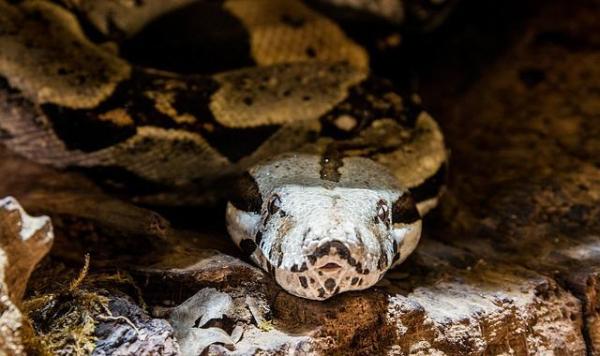
On the other hand, the boa constrictor - one of the largest snakes in the world, since it can weigh 30 kilograms and measure up to 4 meters - is ovoviviparous. The mother keeps her eggs inside her body for 7 months and can give birth to 25 live, developed babies. This method provides the young with protection during their most vulnerable developmental stages.
Talking about big ovoviviparous snakes, ranked no. 1 is the anaconda. Weighing up to 200 kilograms and measuring 12 meters long, the anaconda has a gestation period of around 6 months and can give birth to up to 50 babies. They're quite small - they don't quite reach a meter! This impressive size and reproductive strategy make the anaconda a fascinating subject of study.

Other ovoviviparous reptiles and amphibians
Some species of chameleons are ovoviviparous, with a gestation period of 5 to 7 months. This adaptation helps them thrive in varying climates where laying eggs might not be safe.
The Surinam toad (Pipa pipa) is an extremely rare species of amphibian that gives birth to live babies. It is flat and grey in its appearance. The oddities do not end there: Unlike the rest of ovoviviparous animals, this amphibian does not carry the eggs inside, but creates a secondary layer of transparent skin on its back and carries them to deposit them safely everywhere. It can load between 60 and 100 babies! The larvae develop inside the eggs, and they emerge as completely developed, independent little toads. This unique strategy ensures the young are well protected until they are ready to be independent.

Ovoviviparous insects
Not all flies lay eggs. Some species of this common and annoying insect are actually ovoviviparous, and their larvae do not see the light until they hatch. These kinds of flies include the Tachinidae fly, which are known for their parasitic nature and are a little larger than domestic flies. They live all over the planet. Other ovoviviparous insects include many species of beetles like the metallic beetle. These insects have adapted this reproductive method to increase the survival chances of their offspring in hostile conditions.
So now you know what are ovoviviparous animals - those that are developed in eggs within the mother's body after internal fertilization, and born live and fully developed. This fascinating reproductive method is a testament to the incredible diversity and adaptability of life on Earth, showcasing how different species have evolved to maximize their chances of survival in various environments.
If you want to read similar articles to What Are Ovoviviparous Animals, we recommend you visit our The Animal Kingdom category.